
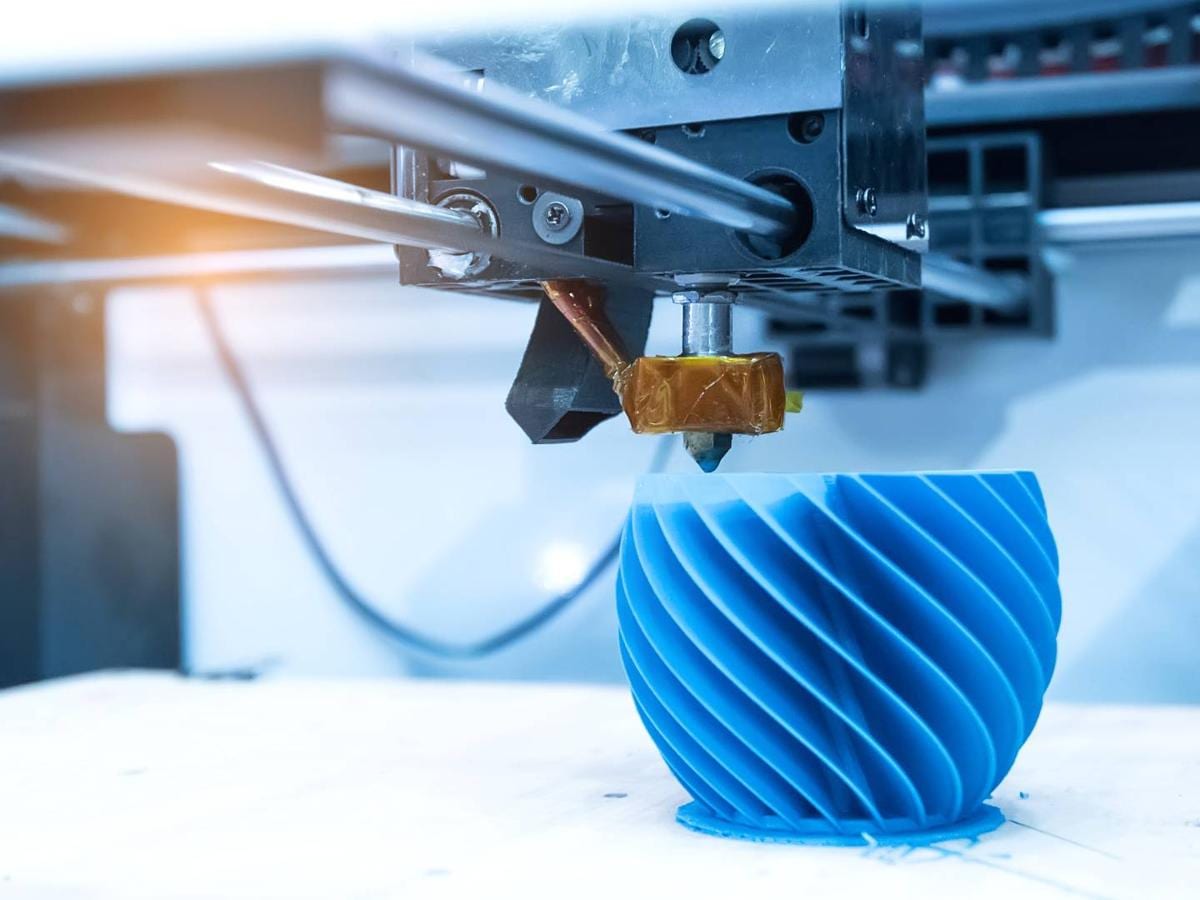
When you look at the rapid pace of modern technological advancement, few innovations capture the imagination quite like additive manufacturing. For decades, traditional manufacturing relied on subtractive processes—taking a block of material and cutting, drilling, or carving it away until the desired shape was achieved. Today, we stand on the brink of a new industrial revolution brought about by an entirely different approach. We are talking about the incredible world of 3D printing.
At its core, 3D printing represents a fundamental shift in how we create, design, and manufacture objects. Instead of removing material, 3D printing builds objects layer by layer from the ground up based on a digital blueprint. This additive approach allows for unprecedented freedom in design, enabling creators to construct complex geometries that would be physically impossible or financially ruinous to produce using conventional methods. From hobbyists tinkering in their garages to multinational aerospace corporations engineering the next generation of spacecraft, 3D printing is unlocking a universe of possibilities.
Throughout this comprehensive guide, we will dive deep into the mechanics, the materials, and the transformative trends of this technology. By understanding how 3D printing has evolved from a niche prototyping tool into a mainstream manufacturing powerhouse, you will see exactly why this technology is reshaping our future. Let us explore the fascinating layers of this industry and uncover the remarkable secrets driving it forward today.
The Hidden History of 3D Printing
To fully appreciate the current state of 3D printing, we must first look back at its origins. While it might seem like a recent phenomenon born in the twenty-first century, the foundational technology of 3D printing actually dates back to the 1980s. The journey began with a man named Chuck Hull, who is widely recognized as the father of 3D printing. In 1983, Hull invented stereolithography (SLA), a process that used ultraviolet lasers to cure liquid photopolymer resin into solid shapes, layer by layer. He subsequently founded 3D Systems, a company that remains an industry titan to this day.
Shortly after Hull’s breakthrough, other pioneers began developing alternative methods. In the late 1980s, Scott Crump invented Fused Deposition Modeling (FDM), which involved melting and extruding a thermoplastic filament to build parts. Crump went on to co-found Stratasys, another dominant force in the 3D printing ecosystem. Around the same time, Selective Laser Sintering (SLS) was developed at the University of Texas at Austin, offering a way to fuse powder materials into solid structures using a high-powered laser.
For the first two decades of its existence, 3D printing was primarily an expensive, industrial tool used strictly for rapid prototyping by massive corporations. The machines cost hundreds of thousands of dollars and required specialized facilities. However, the landscape shifted dramatically in the mid-2000s with the advent of the RepRap project. Founded by Dr. Adrian Bowyer, the RepRap initiative aimed to create a low-cost 3D printer capable of printing most of its own components. This open-source movement democratized the technology, paving the way for the desktop 3D printing boom. As key patents expired, competition surged, prices plummeted, and 3D printing finally entered the consumer mainstream.
The Mechanics Behind 3D Printing
Understanding the technical mechanics of 3D printing is crucial for grasping its vast potential. Regardless of the specific technology used, the 3D printing workflow generally follows a standard sequence of highly digital and precise steps. This seamless integration of software and hardware is what makes the additive process so revolutionary.
The journey always begins in the digital realm with Computer-Aided Design (CAD). A designer, engineer, or artist uses specialized software to create a three-dimensional digital model of the desired object. This digital blueprint dictates every curve, angle, and dimension of the final product. Once the CAD model is complete, it is exported into a standardized file format, most commonly an STL (Standard Tessellation Language) or OBJ file, which represents the surface geometry of the 3D object as a mesh of triangles.
The next critical step in the 3D printing process involves a piece of software known as a “slicer.” The slicer takes the 3D model and virtually slices it into hundreds or thousands of horizontal two-dimensional layers. It also generates the exact toolpath—the instructions that tell the printer’s motors where to move, how fast to move, and how much material to extrude or cure at any given moment. These instructions are typically compiled into a language called G-code. The slicer allows the user to customize vital parameters such as layer height (which determines print resolution), infill density (which dictates the internal structural strength of the object), and the generation of support structures (temporary scaffolds used to hold up overhanging parts of the design).
Once the G-code is sent to the machine, the physical 3D printing phase begins. Depending on the type of printer, this involves extruding melted plastic, curing liquid resin with light, or binding powder particles together. The machine meticulously builds the object, layer upon infinitesimal layer, slowly turning digital code into physical reality. After the 3D printing process is complete, the object usually requires some form of post-processing. This can range from simply removing support structures and lightly sanding the surface, to chemical baths, UV curing, or heat treatments to achieve the final desired mechanical properties and aesthetic finish.
Essential Materials for 3D Printing
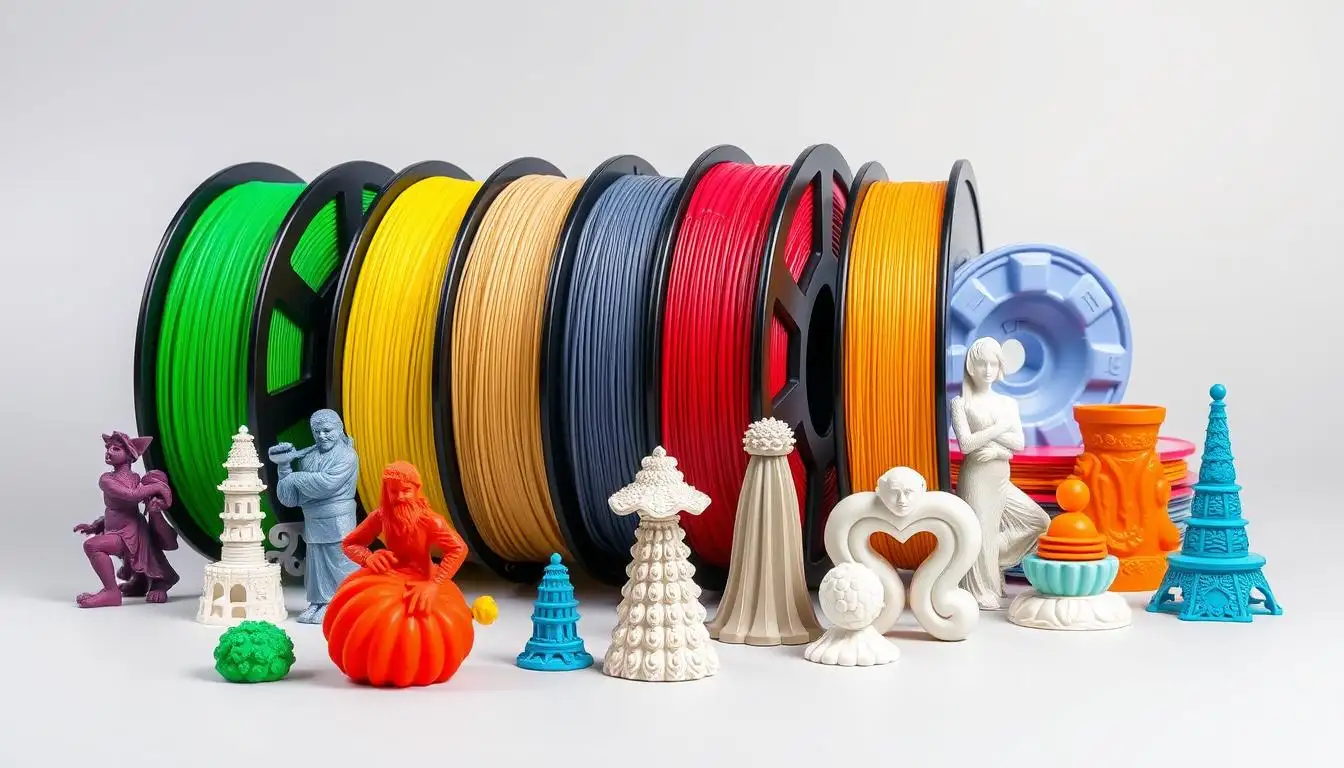
The versatility of 3D printing is inextricably linked to the vast array of materials available today. In the early days, printing was limited to a handful of fragile plastics. Today, the material science behind 3D printing has exploded, offering options that range from biodegradable polymers to aerospace-grade metals.
The most common category of materials used in consumer and prosumer 3D printing is thermoplastics. Polylactic Acid, or PLA, is arguably the most popular 3D printing material in the world. Derived from renewable resources like corn starch or sugarcane, PLA is incredibly easy to print, environmentally friendly, and comes in a massive variety of colors. However, it lacks high heat resistance. For more durable applications, Acrylonitrile Butadiene Styrene (ABS) is a favored 3D printing material. ABS is the same tough plastic used to make Lego bricks. While it requires a heated print bed and an enclosed chamber to prevent warping, it offers excellent impact resistance and mechanical strength.
Another incredibly popular thermoplastic in the 3D printing community is Polyethylene Terephthalate Glycol (PETG). PETG combines the ease of printing found in PLA with the strength and temperature resistance of ABS, making it an ideal middle-ground for functional prototypes and mechanical parts. For projects requiring flexibility, Thermoplastic Polyurethane (TPU) is the go-to 3D printing material. TPU can be stretched, twisted, and compressed without losing its shape, making it perfect for printing phone cases, shoe insoles, and custom gaskets.
Beyond standard plastics, the realm of resin-based 3D printing offers an entirely different class of materials. Photopolymer resins are liquids that solidify when exposed to specific wavelengths of light. These resins can be formulated to mimic the properties of various plastics, offering incredible detail and smooth surface finishes. There are specialized resins for dental 3D printing, casting resins for jewelry making, and engineering resins designed for high-temperature resistance or extreme toughness.
On the industrial side, metal 3D printing has become a game-changer. Using technologies like Direct Metal Laser Sintering (DMLS), manufacturers can print parts using titanium, stainless steel, aluminum, and even precious metals like gold and silver. This capability allows for the creation of intricate, lightweight metal components that boast the same strength as traditionally forged or machined parts, revolutionizing sectors that demand high performance.
Don’t forget to check: 7 Amazing Eras of Indonesian VTubers
7 Amazing 3D Printing Secrets and Trends
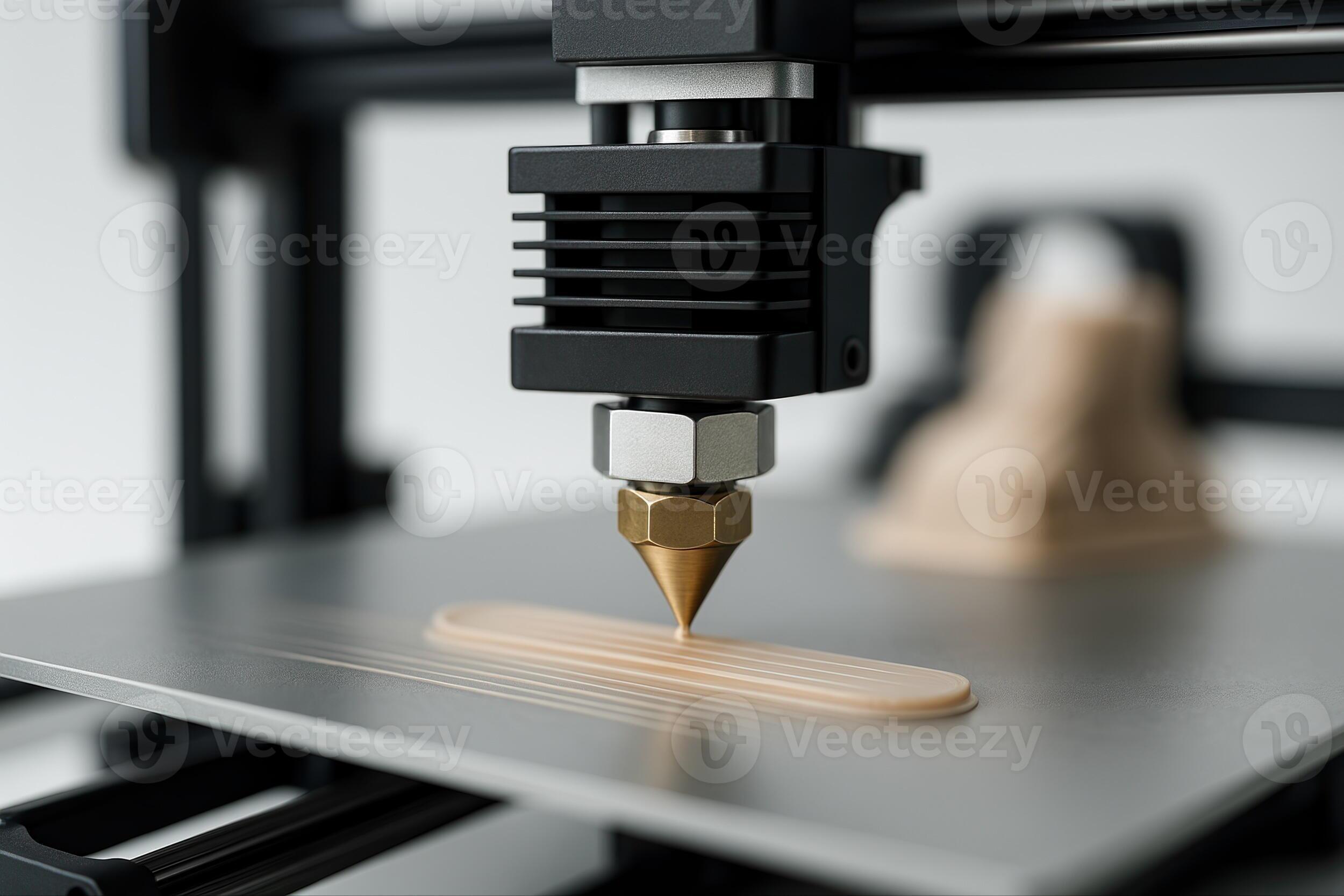
Now that we have established the history, mechanics, and materials, it is time to look at how this technology is actively changing the world. The applications of additive manufacturing extend far beyond simple prototypes. Here are seven amazing secrets and trends driving the future of 3D printing across various global industries.
1. Using 3D Printing in Medical Miracles
One of the most profound impacts of 3D printing is happening within the walls of hospitals and research laboratories. The medical field has embraced additive manufacturing to deliver highly personalized patient care. One of the earliest and most successful applications has been in the creation of custom prosthetics. Traditional prosthetics can be prohibitively expensive, especially for rapidly growing children. With 3D printing, lightweight, durable, and customized prosthetic limbs can be produced at a fraction of the cost, often tailored to the exact anatomical scan of the patient.
Furthermore, surgeons are now utilizing 3D printing to create precise, patient-specific anatomical models. By converting MRI or CT scans into physical 3D printed models, surgeons can practice complex procedures on a replica of the patient’s actual organs before ever stepping into the operating room. This drastically reduces surgical time and minimizes risks. Looking toward the horizon, the field of bioprinting—a specialized form of 3D printing that uses bio-inks containing living cells—is making staggering progress. Researchers are successfully printing functional tissue constructs and cartilage, with the ultimate, ambitious goal of one day 3D printing fully functional human organs for transplant, which could effectively eliminate organ donor waiting lists forever.
2. Advancing 3D Printing in Aerospace Innovation
The aerospace industry is obsessed with two things: reducing weight and increasing strength. Every single ounce matters when launching a vehicle into the atmosphere or outer space. Here, 3D printing is not just a useful tool; it is a critical competitive advantage. Companies like SpaceX, Boeing, and Airbus heavily rely on advanced 3D printing technologies to manufacture complex components.
By utilizing metal 3D printing, aerospace engineers can redesign traditional parts to be significantly lighter without sacrificing structural integrity. Traditional manufacturing often requires taking multiple separate pieces and welding or bolting them together. 3D printing allows engineers to consolidate these assemblies into a single, complex printed part. This reduces the number of potential failure points and streamlines the supply chain. For example, rocket engine injectors, which historically consisted of over a hundred individual pieces, can now be 3D printed as one continuous, highly efficient component.
3. Utilizing 3D Printing for Automotive Production
The automotive industry, much like aerospace, has been a massive driver of 3D printing innovation. While the mass production of millions of consumer vehicles still relies heavily on traditional stamping and injection molding, 3D printing has found its lucrative niche in rapid prototyping, tooling, and the production of customized or low-volume parts.
Car manufacturers use 3D printing to quickly iterate on design concepts. An engineer can design a new steering wheel or dashboard component in the morning, 3D print it during the day, and physically test it in a car by the afternoon. This rapid iteration cycle drastically accelerates the vehicle development process. Additionally, 3D printing is a miracle for classic car restoration. When original spare parts for a vintage automobile are no longer manufactured, restorers can simply 3D scan the broken component, repair it digitally, and use metal or high-strength polymer 3D printing to create a perfect, functional replacement.
4. Exploring 3D Printing in Sustainable Construction
The construction industry is traditionally known for being slow, labor-intensive, and highly wasteful. However, large-scale 3D printing is beginning to disrupt this sector by offering a faster, cheaper, and more sustainable way to build homes and commercial structures. Massive robotic arms and gantry systems are now being deployed on construction sites to act as giant 3D printers, extruding specialized concrete mixtures layer by layer to form the walls of buildings.
This method of architectural 3D printing drastically reduces material waste because the machine only places concrete exactly where it is needed, without the need for extensive wooden formwork. It also speeds up the construction timeline; a basic 3D printed house shell can be erected in a matter of days rather than months. Furthermore, architects are no longer constrained by the limitations of straight lines and right angles. 3D printing allows for the construction of organic, curved, and structurally optimized building designs that are highly energy-efficient and visually stunning.
5. Embracing 3D Printing in High Fashion
The intersection of technology and art is beautifully demonstrated through the use of 3D printing in the fashion industry. Avant-garde designers and major sportswear brands alike are leveraging additive manufacturing to push the boundaries of wearable art and performance apparel.
High fashion designers have sent breathtaking, structurally complex 3D printed dresses down the runways of Paris and Milan. These garments feature intricate geometric web-like patterns that behave like fabric but are constructed from flexible polymers. In the consumer sector, companies like Adidas have utilized 3D printing to revolutionize footwear. By partnering with 3D printing companies, they produce shoe midsoles composed of complex lattice structures. These 3D printed lattices can be highly customized based on an individual athlete’s foot shape, weight distribution, and running style, providing optimized cushioning and support that traditional foam simply cannot match.
6. Experiencing 3D Printing in Culinary Arts
One of the most surprisingly delightful trends is the emergence of 3D printing in the food industry. Culinary 3D printing works on the same basic extrusion principles as a standard FDM printer, but instead of melting plastic filament, these machines extrude edible pastes, gels, and purees.
Pastry chefs and chocolatiers are using 3D printing to create intricate, gravity-defying sugar sculptures and chocolate designs that would be impossible to craft by hand. Beyond high-end desserts, 3D printing is being utilized to innovate in the plant-based meat sector. By carefully extruding layers of plant proteins and fats, food scientists can replicate the exact fibrous texture and mouthfeel of a high-quality steak. Additionally, 3D printing offers immense potential for personalized nutrition, allowing for the precise calibration of vitamins and macronutrients in every printed meal, catering specifically to the dietary needs of athletes or medical patients.
7. Implementing 3D Printing in Everyday Education
Education is experiencing a tactile revolution thanks to the integration of 3D printing in classrooms. From elementary schools to university engineering programs, 3D printing is transforming how students learn abstract concepts. By bringing digital ideas into physical reality, educators can provide hands-on learning experiences that deeply engage students.
In mathematics, students can use 3D printing to hold and examine complex geometric shapes and fractals. In biology, they can print and study anatomically correct models of human hearts, DNA helixes, or cellular structures. For engineering and design students, a 3D printing lab is an essential sandbox where they can rapidly prototype their inventions, test mechanical functions, and learn from physical failures in real-time. Furthermore, 3D printing is a phenomenal tool for accessibility in education, allowing teachers to easily create custom tactile graphics, maps, and learning aids for visually impaired students.
You may also like:
7 Proven Reasons Why 2B Pencils Dominate Exams
The Unmatched Benefits of 3D Printing
As we analyze these incredible applications, it becomes abundantly clear that 3D printing offers a unique set of benefits that traditional manufacturing simply cannot replicate. The first and most prominent advantage is rapid prototyping. Before 3D printing, developing a physical prototype could take weeks or months of back-and-forth communication with overseas factories. Today, an idea can transition from a sketch to a physical, testable object in a matter of hours. This speed heavily accelerates the innovation cycle across all industries.
Secondly, 3D printing is the ultimate tool for mass customization. In traditional manufacturing, the cost per unit only makes sense if you are producing thousands or millions of identical items (due to the high cost of creating molds and tooling). 3D printing requires no molds. The cost to print one unique item is virtually the same as the cost to print the first unit of a batch of one thousand. This paradigm shift means businesses can offer highly personalized products—from custom-fit hearing aids to bespoke jewelry—without incurring prohibitive manufacturing costs.
Finally, 3D printing is inherently more sustainable in terms of material usage. Traditional subtractive manufacturing (like CNC machining) can result in up to 70% material waste, as the bulk of the raw block is cut away and discarded as scrap. Additive manufacturing, by definition, only uses the exact amount of material needed to build the part, plus a small amount for temporary supports. This drastically reduces industrial waste and lowers the overall environmental footprint of the manufacturing process.
Real Challenges Facing 3D Printing
Despite its seemingly limitless potential, the world of 3D printing is not without its hurdles. It is important to acknowledge the current limitations that engineers and developers are actively working to overcome.
One of the primary challenges of 3D printing is production speed. While it is incredibly fast for prototyping a single unit, 3D printing is generally far too slow to compete with injection molding when it comes to the mass production of millions of parts. The layer-by-layer process simply takes time. While new technologies are continuously improving print speeds, high-volume manufacturing remains firmly in the grip of traditional methods.
Another significant challenge is the reliance on post-processing. A 3D printed part rarely comes off the print bed completely ready for end-use. Most parts require manual labor to remove support structures, sand away layer lines to achieve a smooth finish, or undergo chemical treatments to enhance structural integrity. This post-processing adds time, labor costs, and complexity to the manufacturing workflow.
Furthermore, the widespread accessibility of 3D printing raises complex issues regarding intellectual property and copyright infringement. Just as digital music sharing disrupted the audio industry, the ability to effortlessly download and 3D print a patented spare part, a copyrighted miniature, or a proprietary design poses a massive challenge for regulatory bodies and creators looking to protect their intellectual assets.
The Future Landscape of 3D Printing
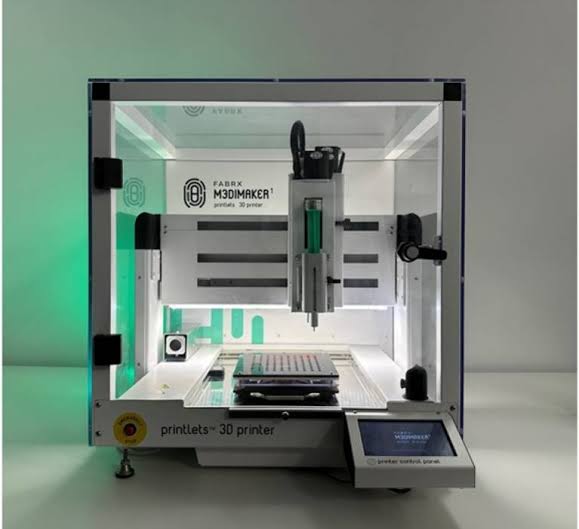
Looking forward, the trajectory of 3D printing technology points toward even more astonishing breakthroughs. We are moving beyond just three dimensions and entering the realm of 4D printing. In 4D printing, the fourth dimension is time. Researchers are developing smart materials—such as shape-memory polymers—that are 3D printed into a specific shape but can autonomously transform, fold, or adapt into an entirely different structure when exposed to external stimuli like heat, water, or light. This could lead to self-assembling furniture, intelligent medical implants that adapt to body temperature, and smart clothing that changes porosity based on the weather.
Moreover, 3D printing will play an absolutely vital role in the future of space exploration and the potential colonization of other planets. It is incredibly expensive to launch heavy building materials and spare parts into orbit. Space agencies like NASA are heavily investing in 3D printing technologies that can utilize in-situ resources. In the future, rather than bringing habitats from Earth, autonomous 3D printing robots will likely be sent ahead to the Moon or Mars, using local regolith (lunar or Martian soil) to construct bases and shelters before astronauts even arrive. On the International Space Station, astronauts are already using zero-gravity 3D printing machines to manufacture custom tools and replacement parts on demand, proving that the future of manufacturing extends far beyond our home planet.
Conclusion: Embracing the Additive Revolution
The evolution of additive manufacturing from a rudimentary prototyping concept to a globally disruptive force is nothing short of extraordinary. As we have explored in this deep dive, the scope of 3D printing encompasses almost every facet of human life. It is changing how we heal our bodies, how we build our homes, how we travel through the skies, and how we educate the next generation of innovators.
While there are still challenges to overcome in terms of speed, material costs, and scale, the relentless pace of innovation ensures that the machines of tomorrow will be faster, smarter, and more capable than ever before. By understanding these 7 amazing 3D printing secrets, you are better equipped to navigate the future of design and manufacturing. 3D printing is no longer a futuristic novelty; it is a fundamental pillar of modern production, empowering individuals and industries to turn their wildest digital imaginations into tangible, physical realities. The additive revolution is here, and it is building our future, one layer at a time.