
Introduction to the Modern Fire Hydrant
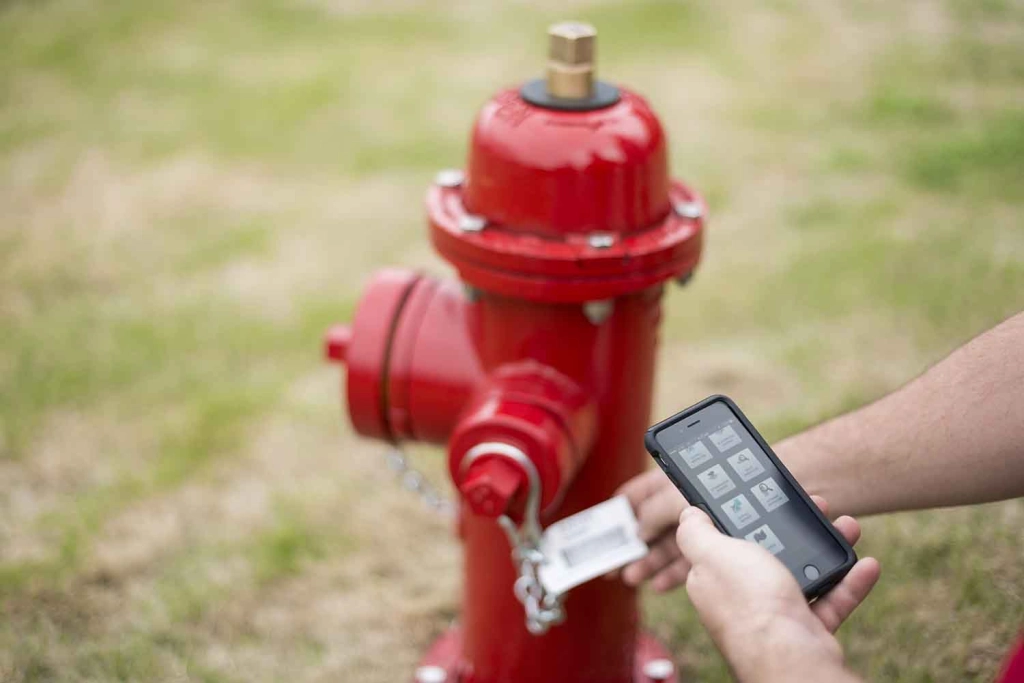
When navigating through urban, suburban, or industrial landscapes, few objects are as omnipresent yet overlooked as the humble fire hydrant. Painted in vivid shades of red, yellow, chrome, or green, these sturdy iron fixtures sit quietly along sidewalk curbs, parking lots, and facility perimeters. However, behind this silent stance lies one of the most vital components of modern public safety and fire protection infrastructure.
A fire hydrant serves as an active fire protection connection point, providing firefighters with immediate access to a pressurized municipal or private water supply network. Without these strategically positioned water outlets, fire departments would be forced to rely entirely on the limited water capacity carried inside truck tanks—often only 500 to 1,000 gallons—which can be depleted in mere minutes during a major structural blaze.
Understanding the mechanics, variations, and operational purposes of a fire hydrant is essential for civil engineers, facility managers, property developers, and safety officials. The choice of fixture, installation method, and maintenance schedule can directly influence property preservation and life safety during a crisis. This comprehensive guide explores the structural mechanics, seven primary design variations, core applications, standardized color-coding systems, and essential maintenance protocols for every style of fire hydrant utilized today.
What Is a Fire Hydrant and How Does It Function?
At its core, a fire hydrant is a high-capacity pipe valve designed to deliver large volumes of pressurized water from an underground main distribution network directly to fire hoses or firefighting vehicles. While the basic concept appears simple—attaching a hose to an outdoor tap—the internal hydraulic engineering required to handle hundreds of pounds per square inch (PSI) of water pressure while remaining frost-resistant and crash-safe is remarkably complex.
When firefighters arrive at the scene of an emergency, they connect flexible high-pressure hoses to the nozzles protruding from the upper body (the bonnet or barrel) of the fire hydrant. Using a specialized pentagonal wrench, emergency personnel turn the operating stem located on top of the unit. This action opens an internal main valve situated deep underground or inside the casing, allowing water to rush up through the barrel and out into the connected hose lines.
Internal Engineering of the Fire Hydrant
To appreciate how a fire hydrant withstands decades of exposure to extreme weather, vehicular vibration, and intense water hammer effect, one must examine its core internal components:
-
The Operating Nut: A specially shaped pentagonal nut at the top of the fixture. Its unique shape prevents unauthorized operation using standard commercial wrenches or pliers.
-
The Stem Assembly: A long steel or bronze rod connecting the top operating nut to the lower main valve mechanism.
-
The Barrel (Casing): The exterior duct, usually forged from durable ductile iron, through which water travels from the underground pipeline to the surface outlets.
-
The Nozzles / Outlets: Threaded connections designed to attach standardized fire hose couplings. Typical configurations include two 2.5-inch hose nozzles and one large 4.5-inch pumper nozzle (often called the steamer connection).
-
The Main Valve: The primary seal controlling water flow. In cold climates, this valve resides below the frost line to prevent freezing.
-
The Breakaway Flange: A sacrificial safety joint located at ground level. If an automobile collides with the fixture, this joint shears cleanly off without damaging the subterranean water main, preventing massive geysers and localized flooding.
How Water Flow Works in a Fire Hydrant
The flow of water inside a fire hydrant follows a strictly controlled hydraulic path. Water originates from the city’s pressurized water main, passing through an isolation gate valve beneath the street. When the upper operating stem is rotated, the lower valve assembly moves away from its seat. Water travels upward through the subterranean pipe riser, fills the barrel casing, and exits through the attached fire hose connections at high velocity.
Key Takeaway: A fire hydrant is not merely a static pipe; it is a precision-engineered safety valve operating under immense water pressure to deliver thousands of gallons of water per minute.
The 7 Critical Fire Hydrant Types in Modern Infrastructure
Not all fire suppression systems are created equal. Regional climates, surrounding infrastructure, municipal building codes, and risk profiles dictate the exact type of fixture required. Below is a detailed breakdown of seven primary designs used across commercial, industrial, and municipal environments.
1. Dry Barrel Fire Hydrant
The dry barrel model is the absolute standard in regions where freezing temperatures occur during winter months. In a dry barrel fire hydrant, the main water valve is located far below ground level, positioned beneath the local frost depth line.
Mechanics and Operation of a Dry Barrel System
When the dry barrel unit is closed, no water remains inside the upper subterranean section or above-ground casing. A small drain valve at the base opens automatically when the main valve shuts down, allowing any remaining water inside the barrel to drain into surrounding gravel beds. This leaves the visible above-ground assembly entirely empty and dry.
Key Advantages
-
Freeze Prevention: Eliminates the risk of water freezing inside the barrel, which could fracture the cast iron housing or block emergency water delivery during winter.
-
Impact Protection: If a vehicle strikes a dry barrel unit, the main subterranean valve stays securely closed, preventing immediate catastrophic water loss.
Ideal Environments
-
Northern regions, mountainous areas, and any climate subject to sub-zero seasonal temperatures.
2. Wet Barrel Fire Hydrant
In contrast to dry systems, the wet barrel variation maintains a constant water supply throughout the entire casing right up to the discharge nozzles. Water is present inside the above-ground unit at all times under normal system operating pressure.
Mechanics and Operation of a Wet Barrel System
Because water fills the fixture perpetually, each outlet nozzle features its own independent valve stem. Firefighters can open or close individual nozzles separately without shutting off the main water supply to the entire unit. This capability allows emergency crews to attach additional hose lines to an active fixture without interrupting existing stream operations.
Key Advantages
-
Rapid Deployment: Provides instant water discharge upon opening an individual nozzle valve.
-
Multi-Line Flexibility: Hoses can be added or disconnected independently during dynamic emergency situations.
-
Lower Maintenance Complexity: Contains fewer moving mechanical parts below ground level compared to dry systems.
Ideal Environments
-
Tropical, warm, and coastal environments where temperatures never drop to freezing levels.
3. Flush and Underground Fire Hydrant Systems
In dense metropolitan areas, historical downtown districts, airport runways, and pedestrian plazas, traditional above-ground fixtures can present significant spatial obstructions or aesthetic challenges. A flush or underground fire hydrant addresses these spatial constraints by residing completely below ground surface level.
Mechanics and Operation of Underground Outlets
The entire fixture assembly is installed beneath the pavement inside a protective cast-iron or heavy-duty composite utility box. A flat, durable cover plate sits flush with the road or sidewalk surface. When access is required, emergency firefighters lift the access lid, attach a temporary portable standpipe elbow to the underground valve outlet, and connect their standard fire hoses.
Key Advantages
-
Zero Spatial Obstruction: Completely clears pedestrian walkways, vehicle turning radiuses, and airport taxiways.
-
Vandalism Resistance: Protects the valve mechanism from unauthorized tampering, intentional damage, and accidental vehicle collisions.
-
Aesthetic Preservation: Blends seamlessly into historical architectural zones and high-end commercial developments.
4. High-Pressure Fire Hydrant Infrastructure
Standard municipal distribution networks typically deliver water at pressures ranging from 40 to 80 PSI. However, fighting fires in modern skyscrapers, massive industrial complexes, or chemical refineries requires vastly superior hydraulic pressure to overcome gravity and long pipe friction losses.
Mechanics and Operation of High-Pressure Infrastructure
A high-pressure fire hydrant is built with reinforced ductile iron or steel walls, specialized heavy-duty bronze valve seating, and high-tensile fasteners capable of handling operating pressures upwards of 150 to 300+ PSI. These systems are frequently connected to dedicated, high-capacity auxiliary pumping stations or specialized industrial water loops.
Key Advantages
-
Superior Reach: Delivers massive water volumes to upper floors of high-rise structures directly without relying solely on fire truck booster pumps.
-
Industrial Safety: Provides immediate high-velocity streams necessary to cool massive fuel tanks and industrial chemical storage vessels during thermal runaway events.
5. Wall-Mounted Fire Hydrant Installations
When outdoor space surrounding a commercial facility is tight, or when immediate access to a building’s internal water ring main is necessary, wall-mounted installations offer an effective alternative to standalone yard hydrants.
Mechanics and Operation of Wall-Mounted Outlets
Integrated directly into the exterior masonry or concrete wall of a commercial structure, a wall-mounted fire hydrant connects directly to the internal fire protection riser or internal fire pump loop. The exterior face features standard hose nozzles, operating stems, and clear directional badging.
Key Advantages
-
Elimination of Yard Piping: Reduces underground excavation costs by placing the outlet directly on the building perimeter.
-
Direct Facility Connection: Provides immediate connection access to interior sprinkler networks and internal fire hose stations.
6. Warm Climate Fire Hydrant Variations
Warm climate variations act as a hybrid engineering middle ground between dry barrel and wet barrel designs. Designed for regions that experience rare, brief freeze events but do not sustain prolonged deep-ground freezes, these fixtures offer targeted frost resistance without requiring full subterranean valve installations.
Mechanics and Operation in Warm Climates
The main valve is located just below the immediate soil line rather than deep beneath a severe frost line. The upper casing remains empty under normal conditions, but the overall digging and excavation depth required during installation is far less than that of a northern dry barrel unit.
Key Advantages
-
Cost-Effective Installation: Requires less excavation depth and fewer materials than deep-bury northern dry barrel units.
-
Targeted Freeze Defense: Protects municipal investments against unexpected, short-term cold spells.
7. Standpipe Fire Hydrant Units for Multistory Buildings
While outdoor fixtures protect building exteriors, internal fire suppression in massive multistory complexes relies on interior standpipe assemblies. These indoor connections function as internal water outlets for firefighters navigating interior stairwells and corridors.
Classifications of Standpipe Systems
-
Class I Systems: Features 2.5-inch hose connections designed strictly for professional firefighter use during heavy structural attacks.
-
Class II Systems: Features 1.5-inch hose stations intended for trained building occupants prior to the arrival of emergency teams.
-
Class III Systems: Combines both 1.5-inch and 2.5-inch outlets, providing dual protection levels for occupants and professional personnel alike.
Primary Uses and Applications of Every Fire Hydrant
While combating structural fires is the most obvious function of a fire hydrant, these distribution points serve several secondary critical roles across municipal infrastructure, industrial operations, and utility management.
Emergency Municipal Firefighting with a Fire Hydrant
The primary purpose of every installed unit is rapid emergency water delivery. When a structure fire breaks out, time is the single most critical vector determining survival and property damage mitigation.
Emergency response teams deploy fire apparatus directly to the nearest unit, establishing a high-volume continuous water line. The water supplied by the fixture feeds fire apparatus booster pumps, which then pressurize hose lines, aerial ladders, and deck monitors to suppress blazes efficiently.
Industrial and Commercial Fire Hydrant Applications
Large commercial distribution centers, chemical manufacturing plants, oil refineries, and lumber yards contain massive fuel loads. For these high-risk environments, private internal and yard systems are installed to meet strict insurance specifications and National Fire Protection Association (NFPA) codes.
-
Refineries and Chemical Plants: Utilize high-capacity monitors mounted directly on top of dedicated private units to saturate dangerous chemical storage tanks during thermal emergencies.
-
Logistics Hubs: Position yard units along peripheral roadways to ensure fire crews can surround expansive modern warehousing footprints.
Non-Emergency Water Utility Uses for a Fire Hydrant
Beyond emergency fire suppression, municipal water authorities regularly utilize these distribution outlets for vital infrastructure maintenance operations:
-
Water Main Flushing: Over time, sediment and mineral deposits accumulate inside municipal water distribution pipes. Utility crews systematically open specific outlets to flush high-velocity water through the main lines, clearing sediment and restoring drinking water quality.
-
System Flow and Pressure Testing: Water engineers conduct routine flow tests on active fixtures to measure static pressure, residual pressure, and total Gallons Per Minute (GPM) capacity. This data helps model hydraulic networks and identify deteriorating main pipes.
-
Construction and Street Cleaning: Municipalities occasionally issue temporary meter permits allowing construction crews or street sweepers to draw water from specific units using approved backflow preventers.
Warning: Drawing water from a public outlet without an approved backflow prevention device and municipal meter permit can contaminate local drinking water supplies and carries severe legal penalties.
Understanding Fire Hydrant Color Coding Standards (NFPA 291)
Have you ever wondered why these fixtures are painted in different vibrant color combinations? These colors are far more than decorative choices. The National Fire Protection Association (NFPA) establishes strict color-coding guidelines under NFPA 291.
This visual coding system instantly informs arriving fire crews of the exact water flow capacity (measured in Gallons Per Minute or GPM at 20 PSI residual pressure) available from a specific fire hydrant, allowing incident commanders to make immediate tactical decisions.
Breakdown of Fire Hydrant Flow Classifications
-
Class AA (Light Blue): Indicates high-capacity performance delivering 1,500 GPM or higher. These units are primary targets for heavy pumper trucks dealing with massive commercial structural fires.
-
Class A (Green): Delivers 1,000 to 1,499 GPM. Excellent capacity suitable for most standard residential and commercial fire scenarios.
-
Class B (Orange): Delivers 500 to 999 GPM. Represents marginal flow capacity; adequate for standard residential hose lines but may require supplemental booster lines for large blazes.
-
Class C (Red): Delivers less than 500 GPM. Indicates low water supply capacity. Fire crews know immediately that connecting multiple heavy pumper lines to a red-capped unit could collapse local water line pressure.
Note: The main body (barrel) of the fixture is frequently painted in high-visibility colors such as safety yellow, white, or chrome, while the top bonnet and nozzle caps are painted in the designated NFPA capacity color.
Crucial Fire Hydrant Maintenance and Flow Testing
A neglected unit can suffer from frozen stems, cracked seals, rusted threads, or clogged main valves, leading to catastrophic failure during an emergency. Comprehensive maintenance programs ensure every installed unit operates flawlessly when called upon.
Step-by-Step Fire Hydrant Inspection Protocol
-
Visual and Clearance Inspection: Ensure the fixture maintains a clear 3-foot clearance perimeter in all directions. Vegetation, fences, snowbanks, or parked vehicles must never obscure or block access to the unit.
-
Thread Lubrication: Remove nozzle caps, inspect bronze outlet threads for mechanical damage, and apply food-grade, anti-seize lubricant to ensure caps can be removed easily during emergency situations.
-
Valve Operation Test: Open and close the main operating stem completely to verify smooth mechanical operation without excessive resistance or grinding.
-
Main Line Flushing: Operate the valve at full discharge to clear accumulated sediment and verify uninhibited water delivery.
-
Dry Barrel Drain Verification: After closing a dry barrel unit, place a hand over the open nozzle outlet. A noticeable suction effect indicates that the internal lower drain valve is functioning properly and draining water out of the barrel.
Essential Image Alt Text Suggestions for Fire Hydrant Content
When publishing this content on WordPress, incorporating high-quality imagery accompanied by accessible image alt text is essential for both user experience and image search ranking optimization. Use these tailored alt text suggestions for your article imagery:
-
Header Image: Red dry barrel fire hydrant on city sidewalk curb
-
Mechanics Diagram: Internal component diagram of a dry barrel fire hydrant valve assembly
-
Wet vs. Dry Comparison: Comparison between wet barrel fire hydrant and dry barrel fire hydrant design
-
Underground Unit: Flush underground fire hydrant box open on airport tarmac
-
NFPA Color Chart: NFPA 291 fire hydrant color code capacity chart showing blue green orange red bonnets
-
Maintenance Photo: Firefighter conducting annual flow testing on a yellow fire hydrant
Conclusion: Safeguard Your Property with the Right Fire Hydrant
Whether protecting suburban neighborhood streets, high-density metropolitan commercial towers, or expansive chemical processing complexes, selecting, installing, and maintaining the correct fire hydrant style remains a cornerstone of effective civil safety engineering.
By matching the specific model—such as a dry barrel fixture for freeze-prone regions, a wet barrel design for warm coastal areas, or an underground unit for pedestrian plazas—facility owners and civil authorities ensure uninterrupted access to life-saving water distribution networks. Regular flow testing, adherence to NFPA 291 color standards, and strict routine maintenance transform these humble street fixtures into dependable guardians of life and property.