
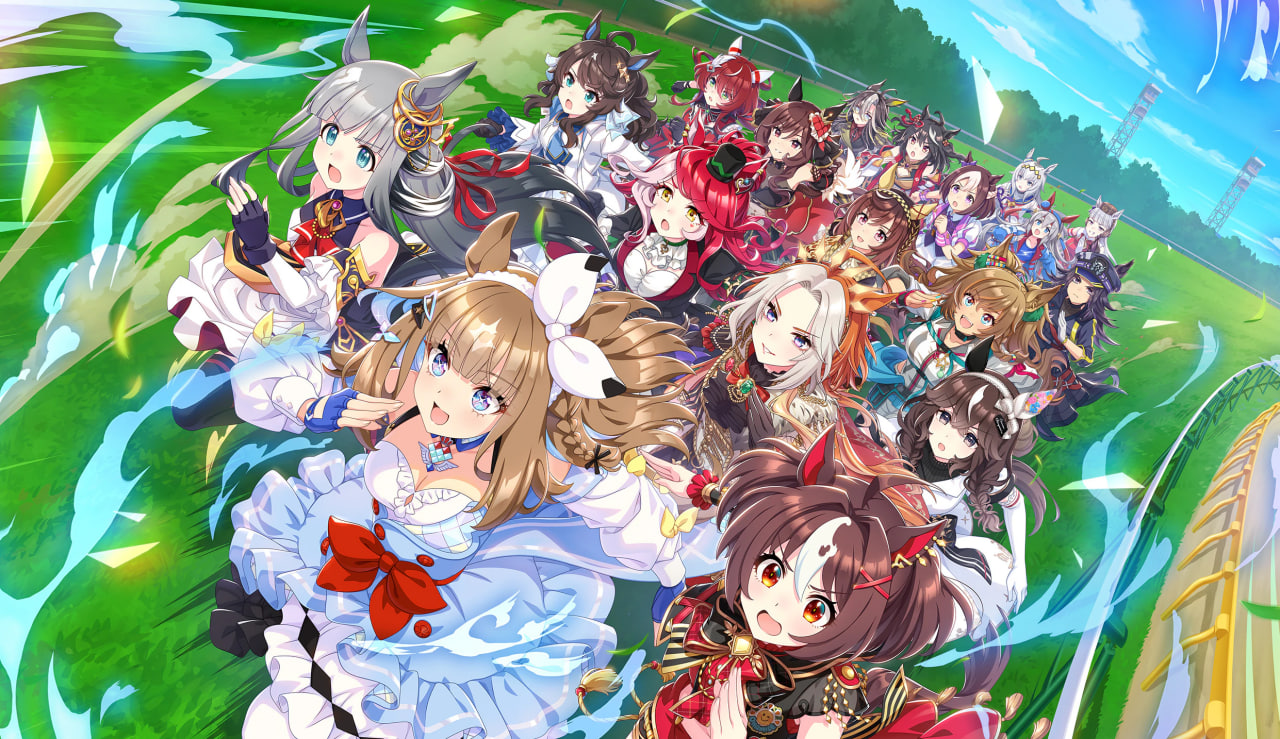
For decades, thoroughbred horse racing across the globe—and particularly in Japan—faced a gradual, quiet decline in general youth engagement. While total wagering handles remained respectable due to dedicated older demographics and high-stakes gamblers, the sport struggled to capture the imaginations of younger generations. Racetracks were often viewed by Gen Z and Millennials as smoky, outdated venues reserved for older men studying daily racing forms over cheap coffee and cold cigarettes.
Then came an unprecedented media crossover that fundamentally changed the trajectory of the sport.
When Cygames released the multimedia franchise Uma Musume: Pretty Derby, few sports analysts or gaming journalists predicted that a mobile game and anime series depicting historical racehorses anthropomorphized as anime “horse girls” would revolutionize a multi-billion-dollar sports industry. What began as a high-risk multimedia experiment turned into an overwhelming cultural phenomenon. It didn’t just dominate app store charts and sell millions of anime Blu-rays; it actively flooded real-world racetracks with hundreds of thousands of new, passionate fans.
This comprehensive deep dive explores the extraordinary relationship between anime subculture and real-world sports, detailing seven distinct ways this digital craze fundamentally reshaped Japanese thoroughbred racing and created an unprecedented blueprint for modern sports entertainment.
Image Suggestion 1: A vibrant crowd at Tokyo Racecourse with young spectators holding official racing programs alongside character merchandise. Suggested Alt Text: Young spectators at Tokyo Racecourse celebrating a horse racing victory inspired by Uma Musume.
1. What Is Uma Musume and How Did the Cultural Craze Begin?
To fully grasp how a mobile application rejuvenated a traditional sport, one must first understand what makes this media franchise so uniquely compelling. The core concept behind Uma Musume revolves around an alternate universe where legendary racehorses from human history are reincarnated as “horse girls” (uma musume). These girls possess supernatural speed, equine ears, and tails, competing in high-stakes turf races before performing in post-race victory concerts.
While the premise might sound unusual to outside observers, the execution relies heavily on absolute, reverent historical accuracy. Cygames did not simply invent generic cute characters; they spent years negotiating licensing rights with real-world horse owners, veteran trainers, syndicate heads, and breeding farms across Japan.
Every character in the franchise reflects her real-world counterpart’s exact racing history, physical quirks, temperament, pedigree, running style, and iconic rivalries:
-
Gold Ship: Known in real life for his unpredictable temperament, massive bursts of late-race speed, and eccentric paddock behavior, his character counterpart acts as a chaotic, unpredictable prankster who delights in breaking rules.
-
Rice Shower: A horse historically remembered for breaking the winning streaks of popular fan favorites, portrayed in the series as a timid runner who struggles with the burden of being perceived as a “record-breaking villain” by racegoers.
-
Special Week: The humble hero from Hokkaido whose real-life victories in the Tokyo Yushun (Japanese Derby) and Japan Cup serve as the emotional spine of the franchise’s inaugural anime season.
-
Tokai Teio: A brilliant thoroughbred whose career was plagued by repeated bone fractures, whose anime portrayal captures his miraculous comeback victories in the Arima Kinen after a year of grueling rehabilitation.
By anchoring high-fantasy anime tropes in meticulous real-world accuracy, the franchise created an educational gateway. Players were not merely collecting digital characters; they were absorbing decades of Japanese racing lore, iconic race calls, complex track conditions, trainer strategies, and deeply emotional turf storylines.
2. Racetrack Attendance Soars: The Direct Impact of Uma Musume on Real Racetracks
The transition from digital mobile screens to real-world grandstands occurred with astonishing speed. Following the launch of the mobile game and the critically acclaimed release of the anime’s second season, the Japan Racing Association (JRA) began noticing a dramatic demographic shift in physical attendance during major Grade 1 (G1) events.
Racetracks such as Tokyo Racecourse in Fuchu, Nakayama Racecourse in Chiba, and Hanshin Racecourse in Hyogo experienced massive influxes of first-time attendees. On major race days—such as the Arima Kinen, the Japan Cup, the Tenno Sho, and the Takarazuka Kinen—grandstands that once leaned heavily toward older male age brackets suddenly filled with young adults wearing character pins, carrying horse plushies, and eagerly scanning real racing programs.
Key Shifts Observed in Real Racetrack Operations
-
Dramatically Lower Average Age: The traditional racing demographic shifted from patrons aged 45 to 70 down to a vibrant mix of 18- to 35-year-old attendees.
-
Surge in Official Merchandise Sales: JRA track gift shops, which previously stocked standard caps and neckties, saw record demand for thoroughbred plushies (paddock plushies), commemorative racing pins, and official track towels.
-
Overwhelming Demand for Gate Entries: Major race days saw reservation systems for track grandstand seats sell out within seconds of opening online.
-
Increased Concession Revenue: Racetrack food vendors and concessions experienced record sales as younger crowds turned race days into full-day social outings.
This sudden spike in physical attendance created an immediate economic ripple effect across the entire thoroughbred industry. On-track wagering, program purchases, collectible merchandise, and beginner-friendly betting instruction counters saw unprecedented volume. Real-world racing was no longer viewed merely as a gambling outlet; it had transformed into a live, interactive pilgrimage for fans who wanted to walk the ground where their favorite digital characters’ historical namesakes once made history.
Image Suggestion 2: A wide-angle view of the packed Nakayama Racecourse grandstand during a major Grade 1 race. Suggested Alt Text: Packed grandstands at Nakayama Racecourse filled with young fans attending real races because of Uma Musume.
3. Demographic Transformation: How Uma Musume Captured Young and Female Audiences
Historically, horse racing organizations worldwide have struggled to crack the code of youth marketing. Traditional sports broadcasts often rely on legacy fandom passed down through families or straightforward gambling appeals focused on handicapping odds. Neither approach effectively captivates modern younger demographics who prioritize narrative depth, character investment, and interactive online community building.
The success of Uma Musume solved this marketing dilemma by shifting the primary appeal of horse racing from monetary gambling to deep emotional storytelling.
Breaking Traditional Racing Demographics Through Uma Musume Storytelling
The franchise succeeded in making thoroughbred racing accessible by recasting horses as individual athletes with rich personal narratives. Gen Z and young Millennials, who previously had zero interest in thoroughbred breeding or race handicapping, learned how to analyze track conditions, distance aptitudes, surface ratings (firm, yielding, soft), and tactical pacing strategies through interactive game mechanics.
When these young fans visited physical racetracks, they brought a fresh perspective centered on appreciation for the horses rather than pure financial returns.
How Social Media and Fan Art Propelled the Uma Musume Movement
Social media platforms, particularly X (formerly Twitter), Pixiv, and YouTube, played a crucial role in amplifying this cultural shift. During weekend race meets, real-time commentary flooded social media feeds as fans drew direct comparisons between live JRA broadcasts and in-game character lore.
When a real-world horse descended from a famous historical stallion raced on a Sunday afternoon, related hashtags consistently trended nationally and globally. Fan artists created thousands of illustrations depicting historical racehorses alongside their anime counterparts, fostering a creative ecosystem that kept the community engaged seven days a week.
Furthermore, traditional racing media in Japan embraced this influx. Veteran racing commentators, jockeys, and trainers began acknowledging the franchise in interviews, expressing gratitude for the newfound energy within the grandstands.
Image Suggestion 3: A female spectator holding a camera and focusing on horses walking in the paddock area. Suggested Alt Text: Female racing enthusiast photographing thoroughbreds at a paddock after learning horse racing through Uma Musume.
4. Legendary Thoroughbreds Reborn: Iconography and Lore in Uma Musume
One of the most remarkable outcomes of this crossover is how it granted a second life to the legacies of historical horses, including those who had passed away decades prior. Real-world champions whose names were slowly fading into historical archives suddenly found themselves at the center of modern popular culture.
Gold Ship: The Unpredictable Superstar in Uma Musume
Few horses embody the bridge between sports and entertainment quite like Gold Ship. During his active racing career from 2011 to 2015, Gold Ship was famous for winning six Grade 1 races while frequently baffling bettors with his erratic behavior. He was infamous for refusing to start, pulling bizarre face expressions in the paddock, and suddenly sweeping from dead last to first with explosive late-race surges.
In an ingenious marketing move, Cygames created an official YouTube channel (Pakatube) featuring the animated character version of Gold Ship as a Virtual YouTuber (VTuber). This channel amassed hundreds of thousands of subscribers, delivering race analysis, playing games, and promoting real JRA racing events to millions of viewers who had never watched a live horse race before.
Haru Urara: The Story of Perseverance Brought to Life in Uma Musume
Haru Urara holds a unique place in Japanese sports history as the underdog horse that lost 113 consecutive races during the late 1990s and early 2000s at Kochi Racecourse. Despite never winning a single race, her persistent spirit captured national headlines during a period of economic stagnation in Japan, turning her into a national symbol of resilience.
When included in the mobile game, Haru Urara’s narrative touched a brand-new generation. Players worked tirelessly within the game’s simulation mechanics to achieve what never happened in real life: guiding virtual Haru Urara to an impossible victory in the prestigious Arima Kinen. This deep emotional bond translated into real-world action, prompting fans to buy commemorative merchandise, send gifts to her farm, and donate directly to her retirement care.
Twin Turbo and Rice Shower: Emotional Pillars of the Uma Musume Narrative
Other historical horses received similar revitalizations:
-
Twin Turbo: Famous in the early 1990s for his uncompromising “all-out escape” front-running style, where he would run at maximum speed from the gates until he either won by a massive margin or collapsed from exhaustion. His dramatic victory in the 1993 All Comers (G3) was recreated frame-for-frame in the anime, turning him into a fan-favorite symbol of pure determination.
-
Rice Shower: Historically nicknamed the “Black Assassin” for breaking the Triple Crown record of Mihono Bourbon and stopping Mejiro McQueen’s consecutive Tenno Sho winning streak. The franchise re-contextualized Rice Shower’s career, transforming her public image from a villain into an inspiring heroine who overcame intense public pressure.
Image Suggestion 4: A retired racehorse standing peacefully in a lush pasture in Hokkaido, Japan. Suggested Alt Text: Retired racehorse grazing peacefully at a Hokkaido farm sanctuary maintained by fans of Uma Musume.
5. Economic Renaissance: How Uma Musume Powered Thoroughbred Retirement Crowdfunding
The impact of this cultural bridge extends far beyond gate receipts, television ratings, and mobile app store revenue; it has directly improved animal welfare standards across Japan’s equine industry. Supporting retired racehorses has historically posed a monumental financial challenge for breeding farms and welfare sanctuaries. Maintaining a thoroughbred throughout its post-racing life requires significant capital for feeding, spacious land, specialized veterinary care, and dedicated farm staff.
When the enthusiastic fan community connected with the real-world histories behind their favorite characters, equine welfare crowdfunding in Japan experienced an unprecedented financial boom.
Supporting Retirement Farms and Sanctuaries Through Uma Musume Fandom
Several prominent retirement farms in Hokkaido, including Versailles Farm and Northern Lake, experienced unbelievable support when launching online donation drives to care for former champions.
-
Multi-Million Yen Crowdfunding Success: Donation drives that originally set modest goals to raise a few million yen over several months routinely hit their financial targets within a few hours of going live.
-
Direct Care Contributions: Fans frequently purchase direct supply packages online, buying high-grade feed, carrots, winter blankets, and specialized medical supplements for retired thoroughbreds.
-
Long-Term Infrastructure Funding: Funds raised by fans enabled retirement sanctuaries to construct brand-new stables, expand grazing pastures, repair aging fencing, and hire full-time veterinary caregivers.
Ethical Agritourism and Responsible Farm Visits Inspired by Uma Musume
The surge in fan enthusiasm also created a massive boost in agritourism across Hokkaido’s major horse-breeding districts, such as Hidaka and Monbetsu. Tens of thousands of young fans began traveling from urban centers like Tokyo, Nagoya, and Osaka to visit retired racing legends in person.
To ensure the safety and well-being of the animals, fan communities self-policed strict visitation rules. Online guides were established urging visitors to respect farm rules: avoiding loud noises, refraining from flash photography, never feeding horses without explicit permission, and respecting farm operating hours. This responsible tourism model proved that digital gaming subcultures could foster genuine respect for real-world animals and agrarian communities.
6. Gamification of Real Sports: The Psychological Hook Behind Uma Musume
Why did this specific multimedia concept succeed where so many traditional sports marketing campaigns fall flat? The answer lies in the psychological mechanics of gamification combined with authentic sports drama.
Shifting from Financial Wagering to Emotional Bonding in Uma Musume
Traditional horse racing marketing often relies heavily on the thrill of gambling and potential financial gains. However, gambling-centric messaging can feel intimidating, risky, or morally unappealing to younger, risk-averse audiences. The franchise completely inverted this paradigm by prioritizing emotional connection over financial speculation.
When a fan bets money on a racehorse purely to win a cash payout, their connection to that animal typically ends the moment the race concludes. Conversely, when a fan spends forty hours raising, training, and managing that horse’s digital counterpart through tough training cycles, overcoming simulated injuries, and managing race stress, every single furlong of a real-world race becomes an emotionally charged event.
Mastering Racing Tactics and Pedigree Bloodlines with Uma Musume
By playing through the deep simulation mechanics of the game, players naturally acquire a sophisticated understanding of real-world thoroughbred racing tactics:
-
Tactical Running Positions: Players learn the strategic differences between Front Runners (Nige), Pace Stalkers (Senko), Late Chargers (Sashi), and End Closers (Oikomi).
-
Track Surface Dynamics: Players discover how heavy rainfall changes track ratings from Firm (Ryoba) to Yielding or Soft (Yashiba), directly affecting a horse’s stamina and footwork.
-
Pedigree Science and Bloodlines: The game introduces players to the complex world of thoroughbred genetics. Players begin identifying iconic real-world sires—such as Sunday Silence, King Kamehameha, Deep Impact, and Northern Dancer—when studying official JRA race cards.
When these educated fans tune into live Sunday broadcasts, they are not looking at random jersey colors or arbitrary numbers. They are watching a sophisticated, tactical chess match played at sixty kilometers per hour.
Image Suggestion 5: An official JRA race program laid flat on a stadium seat alongside a pair of racing binoculars. Suggested Alt Text: Official JRA race program and binoculars on a stadium seat illustrating real-world race day preparation through Uma Musume.
7. Modern Broadcasting Lessons Revealed by the Success of Uma Musume
The extraordinary success of this media bridge provides crucial operational lessons for traditional sports organizations worldwide. Major global leagues—including European football leagues, Formula 1, the NFL, Major League Baseball, and the NBA—are currently grappling with aging fanbases and struggling to keep younger audiences engaged amidst shifting media consumption habits.
Narrative Lore as the Future of Sports Marketing in Uma Musume
Raw statistics, box scores, and betting lines are rarely enough to build long-term fan loyalty among younger generations. Modern audiences crave compelling narrative arcs, human interest stories, personal rivalries, and emotional journeys. By highlighting the real-life struggles, physical recoveries, and dramatic setbacks of historical thoroughbreds through animated storytelling, the franchise demonstrated that narrative lore is the single most effective tool for long-term sports retention.
Bridging Digital Gaming and Physical Spectatorship via Uma Musume
Sports organizations often treat digital gaming as a secondary marketing channel or a simple licensing cash grab. This franchise proved that a deeply crafted digital product can serve as a primary funnel for real-world sports engagement.
By creating an authentic pipeline that connects digital gameplay to live event attendance, physical merchandise purchases, social media conversation, and charitable giving, Cygames and the JRA established a sustainable model for cross-industry sports promotion.
Conclusion: The Lasting Cultural Legacy of Uma Musume on Japanese Horse Racing
The profound relationship between Uma Musume and real-world thoroughbred racing is no longer viewed as a short-lived pop-culture trend. It stands as one of the most remarkable, mutually beneficial cross-media transformations in modern sports history.
By translating digital interactive entertainment into real-world racetrack attendance, direct financial support for retired animal welfare, and a passionate, knowledgeable new fanbase, this unique media phenomenon has given a centuries-old sport a vibrant, sustainable future. As traditional sports organizations around the globe search for innovative ways to remain relevant in the digital age, Japan’s turf tracks stand as living proof that when you honor a sport’s rich history with creativity, authenticity, and respect, an entirely new generation will show up to cheer at the finish line.