
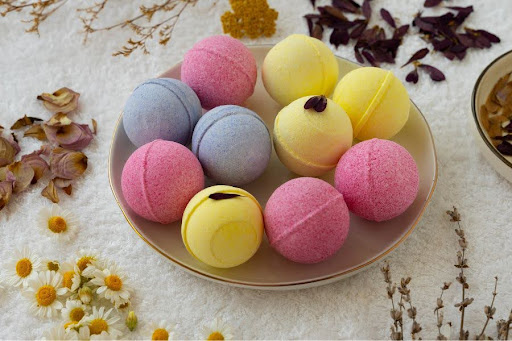
Have you ever dropped a colorful sphere into your warm bathwater and watched in awe as it immediately began to fizz, spin, and release a mesmerizing array of colors and soothing scents? If you are a fan of modern self-care, you have likely experienced this magic. But have you ever paused to wonder where this ingenious invention came from? The history of bath bombs is a fascinating tale of creativity, chemical curiosity, and a desire to revolutionize the way we bathe.
The story takes us back several decades, far before social media made these fizzing spheres a viral sensation. From humble beginnings in a small garden shed to dominating the global cosmetics industry, the journey is nothing short of extraordinary. In this comprehensive guide, we will explore the incredible history, the brilliant minds behind the invention, the fascinating science that makes them work, and how they ultimately changed the wellness landscape forever.
The Brilliant Invention of Bath Bombs
To understand the origins, we must travel back to the year 1989. The brilliant invention of bath bombs can be traced back to a single visionary woman named Mo Constantine. Mo, alongside her husband Mark Constantine, would later go on to co-found the globally recognized cosmetics brand, Lush. However, long before Lush became a household name, Mo was simply a passionate entrepreneur working out of her garden shed in Dorset, England.
During the late 1980s, the market for bath products was largely dominated by liquid bubble baths and bath salts. While these products were popular, Mo noticed a significant problem. Many of the bubble baths on the market were formulated with harsh synthetic detergents and artificial chemicals that irritated sensitive skin. Mo herself had sensitive skin, and she was determined to create a bathing product that was gentle, soothing, and entirely free from aggressive foaming agents.
She wanted something that would transform an ordinary bath into a luxurious, skin-softening experience without stripping the body of its natural oils. Her dedication to finding a natural alternative became the driving force behind one of the most iconic cosmetic inventions of the 20th century.
What Inspired the First Bath Bombs?
Inspiration can come from the most unexpected places. For Mo Constantine, the “eureka” moment did not happen in a high-tech cosmetics laboratory, but rather through a simple, everyday household item: the Alka-Seltzer tablet.
Mo was fascinated by the effervescent reaction of Alka-Seltzer tablets when dropped into a glass of water. She observed how the rapid fizzing action quickly dispersed the ingredients throughout the liquid. This got her thinking. What if she could replicate this exact effervescent reaction, but on a much larger scale, and fill it with skin-loving ingredients like essential oils, natural butters, and soothing aromas?
Driven by this concept, Mo began to experiment in her shed. She started mixing different ratios of dry ingredients, searching for the perfect combination that would remain solid when dry but erupt into a spectacular fizz when introduced to water. She hand-pressed these early mixtures into small spherical molds. After numerous trials, errors, and adjustments, the very first prototype was born. It was a revolutionary concept that successfully combined the fun, fizzy action of an antacid with the luxurious benefits of high-end skincare.
The Science Inside Bath Bombs
The magic that happens when you drop one of these spheres into water is not magic at all; it is straightforward chemistry. The fascinating science inside bath bombs relies on a classic acid-base reaction.
To create the signature fizz, you need two primary active ingredients: a weak acid and a bicarbonate base. In almost all commercial and handmade recipes, these two ingredients are citric acid and sodium bicarbonate (commonly known as baking soda). When these two dry powders are mixed together and kept away from moisture, they remain completely inert. They can sit on a shelf for months without anything happening.
However, the moment they come into contact with water, a rapid chemical reaction is triggered. The water acts as a catalyst, allowing the citric acid and sodium bicarbonate to react with one another. This reaction produces carbon dioxide gas, which escapes in the form of thousands of tiny bubbles. This is what creates the dramatic fizzing, spinning, and popping sounds that we all love.
As the structure dissolves and the carbon dioxide bubbles carry the ingredients outward, the secondary components are released into the bathwater. This includes nourishing carrier oils, vibrant colorants, dried flower petals, and aromatic essential oils. The result is a multi-sensory experience that softens the water, scents the air, and relaxes the mind.
The Early Era of Bath Bombs
Before the massive global success we see today, the early era of bath bombs looked very different. Once Mo Constantine perfected her formula, she and her husband Mark began selling them through their mail-order cosmetics company, Cosmetics to Go.
The original products were affectionately called “Aqua Sizzlers.” They were quite basic compared to the extravagant, multi-colored creations available today. The very first successful commercial product was named the “French Kiss.” It was a simple, single-colored sphere designed primarily for its skin-softening properties and its relaxing lavender scent.
Cosmetics to Go gained a cult following in the United Kingdom. Customers were absolutely captivated by the novelty of a solid product that fizzed in the tub. It was entirely packaging-free, which was a revolutionary concept at a time when plastic bottles dominated the cosmetics industry. Unfortunately, despite the popularity of the Aqua Sizzlers, Cosmetics to Go faced severe operational and financial difficulties, eventually leading to the company entering administration in the early 1990s.
How Bath Bombs Built an Empire
The fall of Cosmetics to Go was not the end of the story; it was merely a stepping stone. In 1995, Mo and Mark Constantine, along with a few former colleagues, pooled their remaining resources to start a brand new venture. They opened a small shop in Poole, England, and named it Lush Cosmetics.
Lush placed Mo’s incredible invention front and center. The founders realized that the sensory experience of their products was their biggest selling point. Walking into a Lush store became an event in itself—customers were greeted by mountains of un-packaged, brightly colored spheres, and the intense aroma of essential oils. Staff members would demonstrate the fizzing action in large bowls of water right in the middle of the store.
This interactive, highly sensory retail strategy proved to be a massive success. As Lush expanded globally, opening hundreds of stores across Europe, North America, and Asia, the popularity of these fizzy bath products skyrocketed. They became the brand’s signature item, cementing their place in the modern beauty and wellness industry.
Why Bath Bombs Became a Cultural Phenomenon
Fast forward to the 21st century, and the landscape shifted dramatically with the advent of social media. You cannot discuss this topic without analyzing why bath bombs became a cultural phenomenon on platforms like Instagram, YouTube, and TikTok.
Around the mid-2010s, “bath art” became a massive trend. Users began filming the mesmerizing dissolution process of their favorite bath products. The visual appeal was undeniable. As a sphere slowly spun in the water, it would release vibrant streams of pink, blue, gold, and purple, turning a plain white bathtub into a swirling galaxy of colors.
This highly visual, shareable content perfectly aligned with the algorithms of image and video-based social media platforms. Influencers and everyday users alike generated thousands of hours of content simply by taking a bath. This free, organic marketing propelled the product from a niche wellness item into an absolute must-have lifestyle accessory for teenagers and adults worldwide.
The Evolution and Design of Bath Bombs
As demand surged, the evolution and design of bath bombs advanced significantly. Manufacturers quickly realized that consumers wanted more than just a simple fizz and a pleasant smell; they wanted an experience, a surprise, and a spectacle.
Today, the market offers an astonishing variety of designs. You can find them shaped like animals, mythical creatures, food items, and geometric shapes. Some are specifically designed to spin rapidly, while others dissolve slowly to create a meditative experience.
Furthermore, the industry introduced “hidden surprise” concepts. Many products now contain hidden treasures inside the core. As the outer layers dissolve away, a hidden color might suddenly burst forth, changing the water from blue to red. Others contain physical items, such as small toys, crystals, or even rings and jewelry worth real money. This element of surprise and gamification has kept the market fresh, exciting, and highly competitive.
The Therapeutic Benefits of Bath Bombs
Beyond the vibrant colors and viral social media videos, there are genuine reasons why these products are a staple in wellness routines. The therapeutic benefits of bath bombs make them a powerful tool for relaxation and mental health.
First and foremost is the power of aromatherapy. High-quality products are heavily scented with pure essential oils. When inhaled in the warm, steamy environment of a bathroom, essential oils like lavender, chamomile, eucalyptus, and peppermint can have profound physiological effects. Lavender is scientifically proven to lower heart rates and promote sleep, while citrus scents can uplift the mood and alleviate symptoms of anxiety.
Additionally, the physical ingredients provide excellent skin care. Many are fortified with Epsom salts (magnesium sulfate), which are renowned for soothing tired muscles, reducing inflammation, and relieving joint pain. Ingredients like shea butter, cocoa butter, and sweet almond oil melt into the warm water, coating the skin in a thin, protective layer of moisture. This leaves the skin feeling incredibly soft and hydrated, eliminating the need for post-bath lotions.
The Environmental Impact of Bath Bombs
In an era where consumers are increasingly conscious of climate change and pollution, we must address the environmental impact of bath bombs. Interestingly, this product was originally designed with sustainability in mind long before it became a corporate buzzword.
Because they are solid and do not require water in their formulation, they are naturally self-preserving. They do not require the synthetic preservatives that liquid soaps and shampoos need to prevent bacterial growth. More importantly, their solid state means they do not require plastic packaging. They are the ultimate “naked” cosmetic. Millions of plastic bottles have been saved from entering landfills and oceans simply because consumers chose a solid bath product over a liquid bubble bath.
However, the industry still faces environmental challenges. The rise of “glitter” in bath products caused significant backlash from environmentalists, as traditional cosmetic glitter is made from microplastics that eventually wash down the drain and pollute marine ecosystems. In response, responsible brands have completely phased out plastic glitter, replacing it with synthetic mica, seaweed, or biodegradable alternatives made from plant cellulose.
The DIY Movement and Homemade Bath Bombs
The simplicity of the core chemical reaction has given rise to a massive subculture. The DIY movement and homemade bath bombs have empowered millions of crafters to create their own custom wellness products right in their kitchen.
Crafting them at home is relatively inexpensive and allows for complete customization. Crafters can control exactly what goes onto their skin, making it an ideal hobby for people with severe allergies or specific skin conditions. By simply mixing baking soda, citric acid, cornstarch (to slow the reaction), and a carrier oil, anyone can press their own creations using inexpensive silicone molds.
This DIY culture has also spawned thousands of small businesses. Platforms like Etsy are filled with independent artisans selling handcrafted, beautifully designed variations that challenge the major corporate brands in quality, creativity, and customer service.
How to Choose the Best Bath Bombs
With thousands of options available on the market, from high-end boutiques to local drugstores, it can be overwhelming for consumers. Knowing how to choose the best bath bombs ensures you get a safe, relaxing, and beneficial experience.
Always start by reading the ingredient list. The best products prioritize natural ingredients. Look for recognizable items like sodium bicarbonate, citric acid, and natural essential oils. Avoid products that list “fragrance” or “parfum” high on the ingredient list without specifying the source, as these synthetic fragrances can often trigger migraines or skin irritation in sensitive individuals.
Pay attention to the colorants used. While bright, neon colors look fantastic on camera, cheap synthetic dyes can sometimes leave a stubborn ring of color around your bathtub, requiring intense scrubbing after your relaxing soak. High-quality brands use water-soluble dyes that rinse away effortlessly. Lastly, consider your skin’s needs. If you have dry skin, look for products heavily enriched with butters and oils; if you have sore muscles, seek out those with a high concentration of Epsom salts.
The Future Evolution of Bath Bombs
As we look toward the horizon, the industry shows no signs of slowing down. The future evolution of bath bombs is heavily tied to the expanding wellness and alternative medicine sectors.
One of the most significant recent developments is the integration of CBD (Cannabidiol). CBD-infused products are becoming incredibly popular for their purported ability to enhance muscle relaxation and reduce stress without any psychoactive effects. As regulations surrounding CBD continue to loosen globally, this sector of the bath product market is expected to experience massive growth.
Furthermore, we are seeing a shift toward hyper-personalized skincare. In the future, we may see companies utilizing AI and skin quizzes to formulate custom spheres tailored to an individual’s specific skin microbiome, water hardness in their geographic location, and current mental health needs.
Conclusion: A Legacy of Relaxation
From a simple experiment in a Dorset garden shed to a multi-million dollar global industry, the journey is truly remarkable. The invention of these fizzy wonders proved that cosmetics do not need to be packaged in plastic or filled with harsh chemicals to be effective and luxurious.
They tapped into a fundamental human need: the desire to pause, disconnect from a stressful world, and indulge in a moment of pure, uninterrupted self-care. Every time you drop one into your tub, you are participating in a rich history of innovation. By understanding the amazing origins of bath bombs, we can better appreciate the science, the art, and the brilliant minds that transformed our evening routines into an extraordinary, colorful oasis.