

For more than a decade, the smartphone industry followed a predictable pattern. Every year, brands like Xiaomi, Samsung, and Apple launched faster chips, better cameras, and brighter screens. Then, around 2024–2025, something changed.
Xiaomi started losing smartphone market share at an alarming rate – down 19% globally in Q1 2026. Meanwhile, Apple grew its iPhone shipments by 10% in the same period. The reason is not just product quality. It is a fundamental difference in brand diversification.
This article explores why smartphone brand diversification is becoming a double-edged sword. We will look at Xiaomi’s pivot to electric vehicles, Apple’s cautious expansion into wearables and services, and what this means for the future of the entire mobile industry.
What Is Smartphone Brand Diversification?
Smartphone brand diversification means a company that originally made phones starts selling completely different products – cars, home appliances, augmented reality glasses, or financial services.
There are two main types:
-
Adjacent diversification – products that work with the phone (smartwatches, earbuds, tablets).
-
Radical diversification – entering industries with no direct link to smartphones (electric vehicles, robotics, banking).
Xiaomi has chosen radical diversification. Apple has focused mostly on adjacent moves. The results are now visible in their sales charts.
Case Study 1: Xiaomi – From Phones to Electric Cars
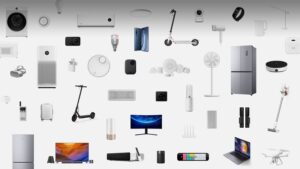
Xiaomi’s story is the most dramatic example of brand diversification in recent years.
In 2021, Xiaomi announced it would build electric vehicles (EVs) – a $10 billion commitment. The first model, the SU7 sedan, launched in 2024 to great hype. But this shift came at a cost.
The Good Side
-
Xiaomi’s EV unit received 200,000 pre-orders within a month.
-
The stock price initially jumped.
-
It positioned Xiaomi as a “tech lifestyle” brand rather than just a cheap phone maker.
The Bad Side
According to Counterpoint data, Xiaomi’s global smartphone shipments fell 19.1% year-on-year in Q1 2026. In its home market, China, the drop was a staggering 35%. For the first time, Xiaomi fell out of the top five in China.
Why? Three reasons:
-
Leadership distraction – CEO Lei Jun personally runs the EV division.
-
R&D budget split – Money that once went into phone cameras and batteries now goes into batteries for cars.
-
Channel neglect – Retailers felt Xiaomi prioritized car showrooms over phone stores.
Case Study 2: Apple – The Reluctant Diversifier
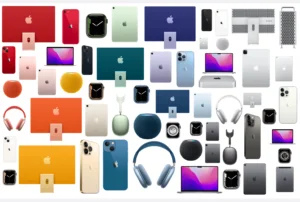
Apple is often seen as a focused company. But it does diversify – just very carefully.
Apple’s brand diversification has been almost entirely adjacent. The Apple Watch, AirPods, and services like Apple Music and iCloud all enhance the iPhone ecosystem. They do not replace it.
The iPhone-First Strategy
In 2025, Apple shipped a record 240.6 million iPhones, growing 7% and overtaking Samsung for the first time. In Q1 2026, while Xiaomi crashed, iPhone sales rose another 10%.
The secret? Apple said “no” to cars. After spending billions on a secret car project (Project Titan), Apple killed it in 2024. That decision freed up engineers, capital, and management attention to make the iPhone 17 series the best phone on the market.
Apple also uses brand diversification in a defensive way – the App Store, Apple Pay, and Fitness+ create recurring revenue without diluting the core product.
Why Some Brands Diversify Aggressively
Three forces push smartphone makers toward radical brand diversification:
1. Smartphone Market Saturation
In developed countries, more than 85% of adults already own a smartphone. Growth now comes only from replacement sales, not new users. To keep growing revenue, brands must find new product categories.
2. Lower Profit Margins on Phones
Xiaomi’s phone margin is around 5-8%. Apple’s is over 30%. For low-margin brands, selling a 30,000EVseemsmoreprofitablethanfightingovera300 phone.
3. Investor Pressure
Stock markets reward “new stories”. Saying “we will sell more phones” is boring. Saying “we will disrupt the auto industry” excites investors – at least for a while.
Why Others Prefer a Narrower Focus

Apple is not alone. Samsung diversifies (ships, displays, appliances) but keeps its smartphone division relatively independent. Google’s Pixel division remains tiny compared to its ad business. Here is why some resist radical moves:
1. Ecosystem Lock-in
When you own an iPhone, an Apple Watch, and AirPods, switching to Android becomes painful. Apple protects this moat by keeping everything connected – not by building a car.
2. High Failure Rate of Radical Diversification
History is full of failed jumps: Facebook’s phone (HTC First), Microsoft’s Nokia acquisition, Amazon’s Fire Phone. Even Tesla has not built a successful phone. The skills for phones and cars are very different.
3. Brand Dilution Risk
Consumers trust Xiaomi for affordable phones. When they see a Xiaomi car, some may think, “If they make both, maybe neither is great.” Apple avoids this by keeping its brand focused on personal computing.
Article that you might also interested: DDR5 Price Drop in China: The 2026 Market Crash & What’s Next for PC Upgrades
The Hidden Risks of Brand Diversification
Even when brand diversification looks exciting, hidden dangers lurk.
-
Supply chain complexity – Managing phone suppliers and car battery suppliers is a nightmare.
-
Cash flow strain – EVs are capital-intensive. Xiaomi’s EV division lost $600 million in its first year.
-
Channel conflict – Some Xiaomi phone distributors felt abandoned when the company opened lavish EV showrooms next door.
-
Delayed innovation – While Xiaomi worked on SU7, competitors like Vivo and Honor launched better zoom cameras and faster charging.
Which Strategy Wins in the Long Run?
We cannot know for sure yet, but early signs suggest a mixed verdict.
-
Short term (1-3 years): Apple wins. iPhone sales are booming while Xiaomi recovers from its EV hangover.
-
Medium term (3-7 years): If Xiaomi’s EV business becomes profitable, the gamble might pay off. Some analysts predict Xiaomi could become the “Chinese Tesla” by 2030.
-
Long term (10+ years): The most successful brand diversification might look like what Apple is already doing – not a car, but augmented reality glasses (Apple Vision). That is still adjacent to the iPhone.
The real loser of radical diversification so far is smartphone market share. Xiaomi proved that when a CEO looks away for two years, rivals grab your customers.
Smartphone brand diversification is neither good nor bad – it is a strategic choice with trade-offs.
-
Xiaomi chose to hunt a bigger elephant (EVs) and lost some meat from its current dinner (phones).
-
Apple chose to double down on its own dinner plate and made it bigger than ever.
For new smartphone brands or struggling ones, the lesson is clear: do not diversify radically unless your core business is already a fortress. Otherwise, you might end up losing two battles at once.
As a consumer, you get more choices – a Xiaomi car or a more polished iPhone. As an investor or industry analyst, watch where the CEO spends their Monday mornings. That will tell you which brand diversification strategy will win.