
A Documentary That Shook Indonesia
The Pesta Babi film controversy has become one of the most heated debates in Indonesia’s recent history. What started as a documentary about indigenous land rights and environmental destruction quickly turned into a national crisis over freedom of expression. In May 2026, police and military officers forcibly disbanded multiple screenings of the film, sparking outrage among activists, academics, and even former president Megawati Soekarnoputri.
But why did a documentary cause such a strong reaction? And what does the Pesta Babi film controversy reveal about the state of democracy in Indonesia today? Let’s break it down.
What Exactly Is the Pesta Babi Film?
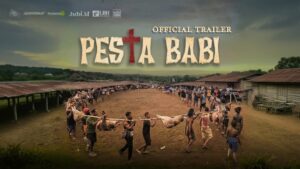
The Pesta Babi documentary is a collaborative work by Indonesian director Dandhy Dwi Laksono and Cypri Dale, produced by WatchDoc. The film focuses on three major issues:
-
Criticism of National Strategic Projects (PSN) in Papua Selatan (Merauke, Boven Digoel, Mappi).
-
Environmental destruction caused by large-scale agriculture and infrastructure.
-
Displacement of indigenous Muyu people whose ancestral forests are being cleared.
The title “Pesta Babi” (Pig Feast) refers to a sacred ritual of the Muyu tribe. For them, the pig feast is deeply tied to forest health and cultural identity. By using this metaphor, the filmmakers argue that destroying nature also destroys indigenous culture.
The Pesta Babi film controversy erupted not because of the content alone, but because of how authorities responded to public screenings.
The Core of the Pesta Babi Film Controversy
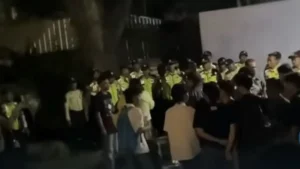
So, what exactly sparked the Pesta Babi film controversy? It was not an official ban from the central government. Instead, the crisis began when local military commanders and police forcibly stopped community screenings (nobar) in several cities.
Key incidents include:
-
University of Mataram (NTB) – Screening disbanded by local authorities.
-
UIN Mataram – Same pattern, forced cancellation.
-
Pendopo Benteng Oranje, Ternate – The District Military Commander (Dandim) personally ordered the shutdown.
No central government decree ever banned the film. Yet, the Pesta Babi film controversy grew because regional officials acted as if the film was illegal.
“The government never prohibited it. Those were local preventive actions,” said Coordinating Minister Yusril Ihza Mahendra.
Ironically, the forced cancellations backfired. Within days, nobar requests jumped from 39 locations to over 130. The filmmakers reported a massive spike in public curiosity.
Government and Military Responses
The Pesta Babi film controversy exposed a clear split between central and local authorities.
| Entity | Response |
|---|---|
| Central Govt (Yusril) | No ban; invited public to watch and critique |
| TNI AD (Army) | Claimed the film could distort information in Papua |
| Local Dandim in Ternate | Personally disbanded screening |
| DPR RI (Puan Maharani) | Regretted repressive actions; called for dialogue |
Yusril also warned that the title “Pesta Babi” might be misunderstood in Indonesia’s Muslim-majority society. However, he emphasized that criticism should be answered with facts, not force.
Meanwhile, the Pesta Babi film controversy reached the House of Representatives. DPR Speaker Puan Maharani stated that her office would follow up through relevant commissions. She specifically condemned the involvement of military personnel in disbanding a public discussion.
Reactions from Civil Society and Leaders
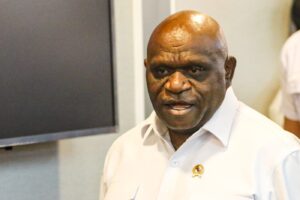
The Pesta Babi film controversy united unlikely voices. Here are some notable reactions:
-
Megawati Soekarnoputri (former president) – Publicly cried after watching the film, saying it showed real suffering of indigenous Papuans.
-
Komnas HAM (National Human Rights Commission) – Commissioner Amiruddin Al Rahab called the disbandments “nonsensical” and a violation of constitutional rights.
-
Andreas Hugo Pareira (DPR member) – Protested TNI’s involvement, calling it a form of silencing.
Even international media began covering the Pesta Babi film controversy, highlighting Indonesia’s struggling democracy index. Deputy Coordinating Minister Lodewijk F. Paulus admitted that these incidents could negatively affect Indonesia’s Democracy Index (IDI) in 2026.
Enjoying this article? You might also read this too: The Complete Guide to Indonesian Customs Duties: How to Avoid Fines & Stressful Checks
Why This Controversy Matters for Democracy
The Pesta Babi film controversy is not just about one documentary. It raises fundamental questions:
-
Can citizens openly criticize government projects?
The film critiques National Strategic Projects – a sensitive topic because PSNs are presidential priorities. -
When can security forces intervene in public discussions?
No riot, no hate speech – just a film screening. Yet soldiers shut it down. -
What is the role of TNI in civilian spaces?
The Indonesian military is legally not allowed to perform police functions. But here, a Dandim acted as a censor.
The Pesta Babi film controversy also shows the power of art. A documentary made by independent journalists forced a national conversation about indigenous rights, environmental justice, and freedom of assembly.
As Dandhy Laksono (the director) said: “This is a test for our democracy.”
The Pesta Babi film controversy is far from over. As of late May 2026, new nobar events are being organized across the country. The central government has not issued a ban, but local military commanders remain on high alert.
What makes this controversy unique is that no one was arrested, and no legal charges were filed against the filmmakers. Yet, the mere threat of force was enough to disrupt public screenings. That chilling effect is precisely what worries democracy advocates.
If you want to understand modern Indonesia – its hopes, its fears, and its ongoing struggle between development and human rights – you need to understand the Pesta Babi film controversy. Watch the film, read the critiques, and form your own opinion.
For deeper reading, here are authoritative external sources covering the Pesta Babi film controversy:
These sources provide legal analysis, filmmaker statements, and human rights perspectives.