
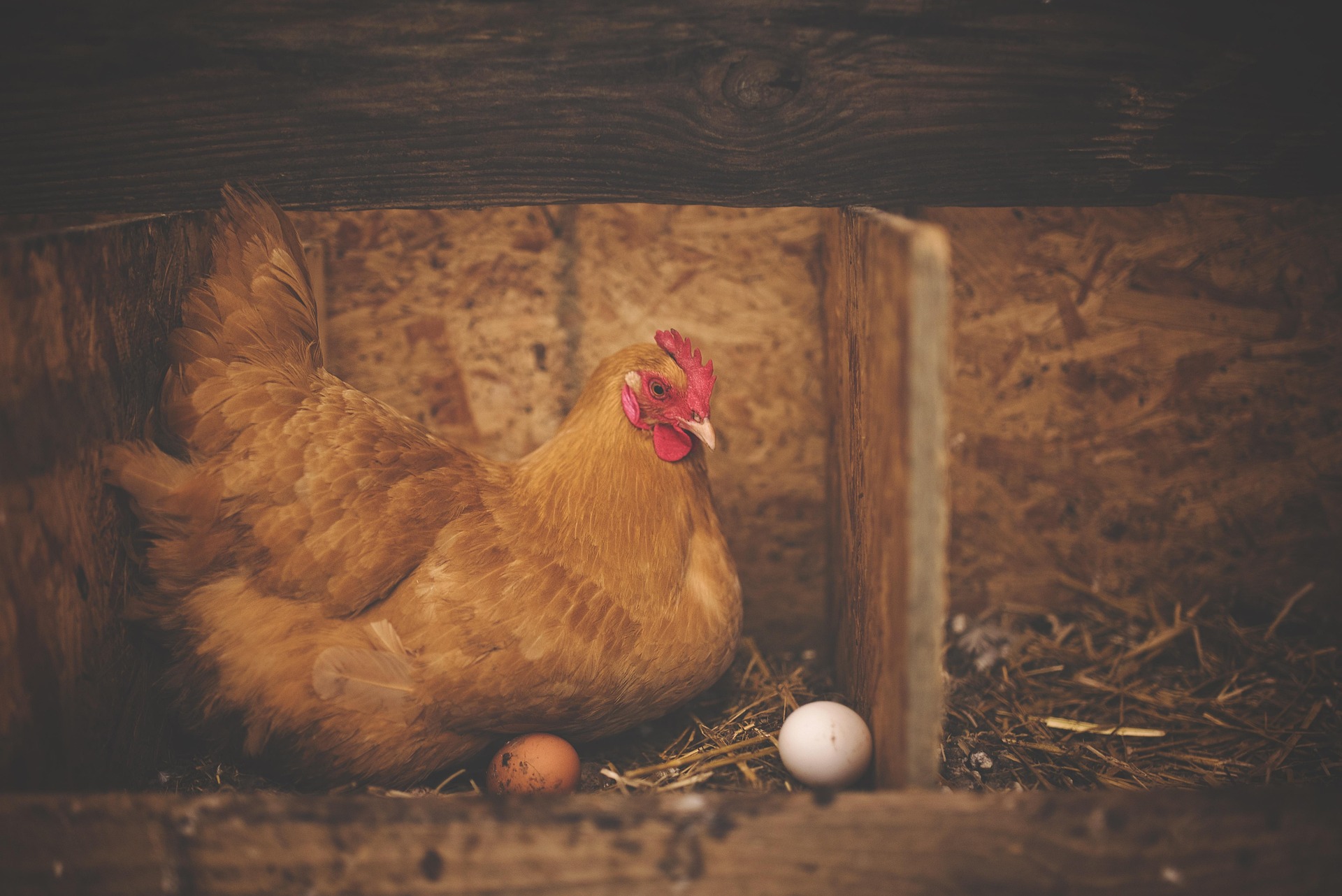
In a cramped courtroom in Sichuan, China, a divorce trial took an unexpected turn. The couple agreed on everything except one thing: who gets the chickens.
Not just any chickens. Twenty-nine of them.
What followed was a legal first. A judge suggested they cook and eat the disputed birds together. That meal is now known across China as the Divorce Chicken.
This story isn’t about wealth. It’s about fairness, dignity, and the strange ways ordinary people fight for recognition.
The Couple and Their 53 Birds
The Sichuan couple had built a small farm together. They raised poultry as their main income source. Their assets included:
-
A self-built house
-
53 birds total
-
29 chickens
-
22 geese
-
2 ducks
-
Neither had savings, cars, or luxury goods. The birds were everything.
When they decided to divorce, the farm became a battlefield.
Why 29 Chickens Became a Legal Nightmare
Dividing assets under Chinese law is usually straightforward. Property acquired during marriage is joint property. Each spouse is entitled to an equal share.
But equal division is hard when numbers are odd.
The geese and ducks were even numbers. Easy. But 29 chickens could not be split without leaving one bird unclaimed.
Yet the real problem wasn’t math. It was emotion.
Both claimed they had spent more time and money raising the chickens. Neither wanted to lose to the other.
Judge Chen Qian of the Daishi Court saw this clearly. “It was never about the chicken,” she later said. “It was about respect for labor.”
You might also like: 3 Ways to Spot Fake Siomay Fish: Suckermouth Catfish Danger
Judge Chen’s Unusual Proposal
Most judges would order a sale of the birds and split the cash. But Judge Chen understood rural life.
She offered two choices:
-
Cook and eat all 29 chickens together before finalizing the divorce, or
-
One spouse takes the chickens and pays cash compensation to the other.
The couple chose the first option.
They agreed to prepare and share the Divorce Chicken as a final meal.
“Eating the chicken together follows the law and respects village customs,” Judge Chen explained.
The ‘Divorce Chicken’ Meal – A Final Supper
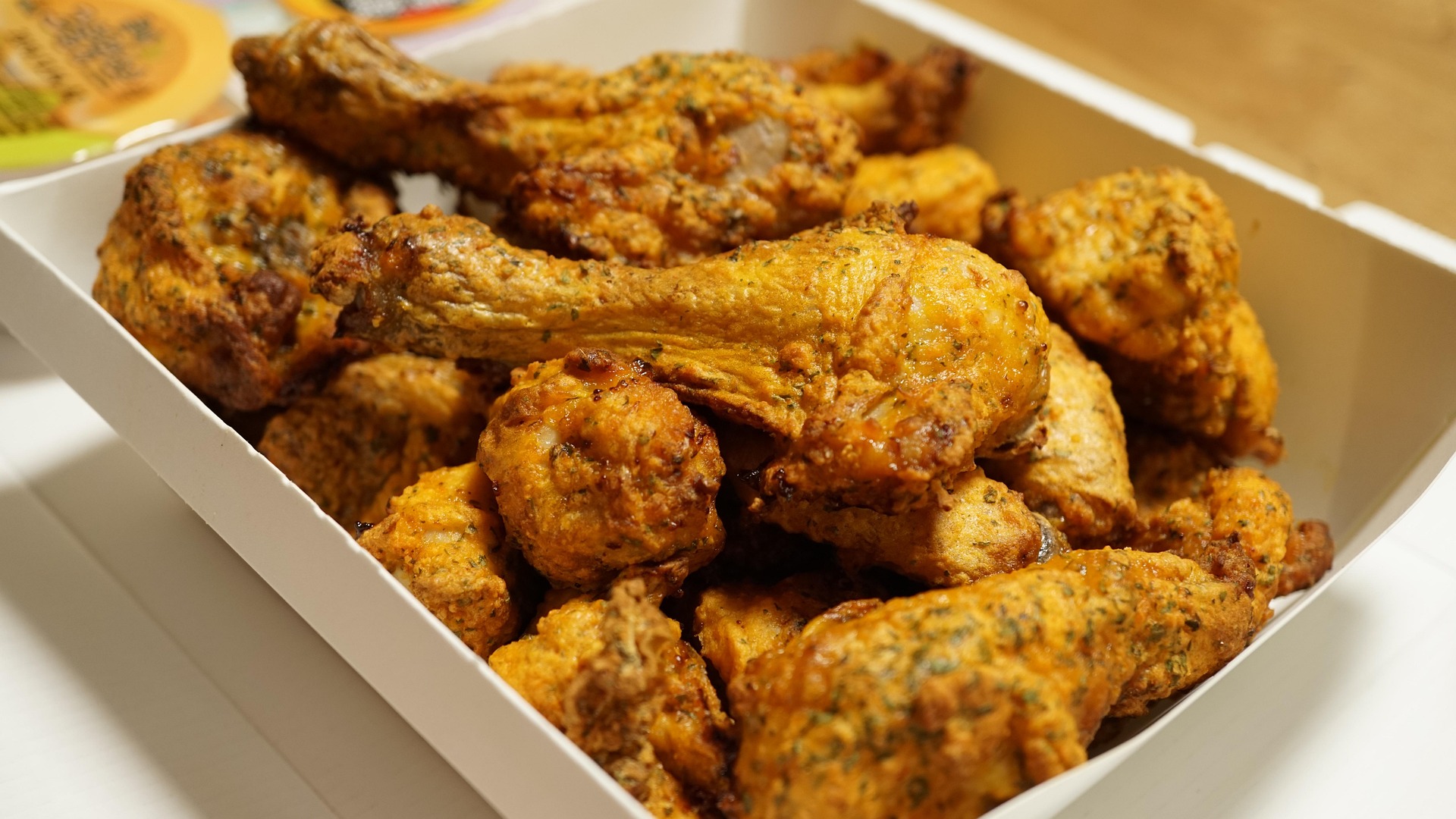
On the agreed day, the couple cooked the 29 chickens. They sat down together. They ate.
There were no arguments. No lawyers. Just two people sharing a last meal before ending their marriage.
The act of eating together did not reconcile them. But it brought closure.
Local media called it the Divorce Chicken meal. The name stuck.
Why It Worked: Psychology and Law
Why did sharing food succeed where legal arguments failed?
-
Shared ritual: Eating together is a human bonding activity. Even in divorce, it signals mutual respect.
-
No loser: Neither spouse walked away empty-handed. Both participated equally.
-
Cost-effective: No auction fees, no court delays.
Judge Chen later told reporters: “What is shared is not just chicken, but a dignified end to a broken marriage.”
This approach aligns with China’s Fengqiao Experience – a legal philosophy that prioritizes mediation over litigation.
Broader Context: Rising Divorce Rates in China
The Divorce Chicken case is quirky, but it reflects a serious national trend.
According to China’s Ministry of Civil Affairs:
2023: Over 3.6 million couples registered for divorce
2022: The number was significantly lower
2024 projections: Continued slow rise
Economic pressure, changing gender roles, and declining social stigma all contribute to higher divorce rates.
In rural areas, asset division often involves livestock, tools, or land. Urban divorces focus on real estate and stocks. But the emotional pattern is the same.
Public Reaction: Netizens Joke and Reflect
The Divorce Chicken story exploded on Chinese social media. Weibo users had mixed reactions.
Some joked:
“The judge offered a fair solution, but the chicken was the real victim.”
“Maybe after sharing the soup, they will cancel the divorce.”
Others were more thoughtful:
“This is how law should work – practical, human, and respectful.”
“In a poor family, every chicken matters.”
The viral attention also sparked discussions about rural poverty and access to justice.
Legal Lessons from a Poultry Dispute
What can other judges learn from the Divorce Chicken case?
| Principle | Application |
|---|---|
| Mediation first | Avoid rigid rulings |
| Respect local customs | Village traditions matter |
| Recognize emotional value | Labor = dignity |
| Be creative | Cooking together is legal |
Chinese civil law allows judges wide discretion in property division. This case shows how discretion can be used wisely.
Conclusion
The Divorce Chicken is not just a funny headline. It is a symbol of human-centered justice.
A Chinese judge looked at 29 chickens and saw not a math problem, but a marriage. She offered a meal instead of a verdict. And it worked.
As divorce rates rise across China, courts will face more small-value, high-emotion disputes. The Divorce Chicken case offers a model: creative, cheap, and kind.
The chickens were eaten. The divorce was finalized. And China gained a new legal legend – one drumstick at a time.