
Update: Two Suspect Cases Test Negative
Indonesia’s Ministry of Health just released important news.
Two people who were suspected of having Hantavirus Indonesia in Jakarta and Yogyakarta have tested negative.
Laboratory results are back.
Both are negative and have fully recovered.
“Neither had any history of international travel,” said Aji Muhawarman, Head of Communications at the Ministry of Health, to BBC News Indonesia.
This means no new confirmed cases.
But vigilance must still be increased.
How Many Hantavirus Indonesia Cases Are There?
Let’s look at the data.
From 2024 to May 2026, Hantavirus Indonesia has recorded:
| Data Type | Number |
|---|---|
| Suspect cases | 256 people |
| Confirmed positive | 23 people |
| Deaths | 3 people |
Provinces with the most cases:
-
DKI Jakarta: 6 cases
-
Yogyakarta: 6 cases
-
West Java: 5 cases
-
East Java: 1 case
-
West Kalimantan: 1 case
-
Banten: 1 case
-
West Sumatra: 1 case
-
North Sulawesi: 1 case
-
East Nusa Tenggara: 1 case
That’s a total of 9 provinces that have ever reported positive cases.
The Trend Is Rising, But That Could Be Good News
In 2024: only 1 confirmed case.
In 2025: it jumped to 17 cases.
As of May 2026: 5 cases already.
Is this scary?
Not necessarily.
According to Dr. Andi Saguni (Acting Director General of Disease Prevention at the Ministry of Health), this increase actually shows that Indonesia’s early detection system is getting better.
“The public should not panic, but remain vigilant,” he advised.
What Happened on the MV Hondius Ship?
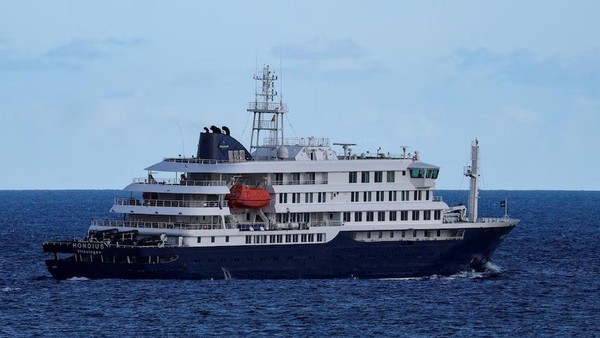
On the other side of the world, an event occurred that worried the public.
A cruise ship named MV Hondius experienced an outbreak of Hantavirus Pulmonary Syndrome (HPS) .
The ship sailed from Ushuaia, Argentina, on April 1, 2026.
On board were about 150 passengers and crew from 28 countries.
Quick Facts About the MV Hondius Outbreak:
-
8 people became suspects.
-
5 people tested positive for hantavirus.
-
3 people died:
-
A 69-year-old Dutch woman
-
Her husband (also Dutch)
-
A German woman
-
The virus that spread on the ship was the Andes variant.
Read the official WHO report on the cruise ship hantavirus outbreak:
WHO – Hantavirus outbreak on MV Hondius (2026)
This variant is different from the one commonly found in Indonesia.
What Is the Deadly Andes Variant?
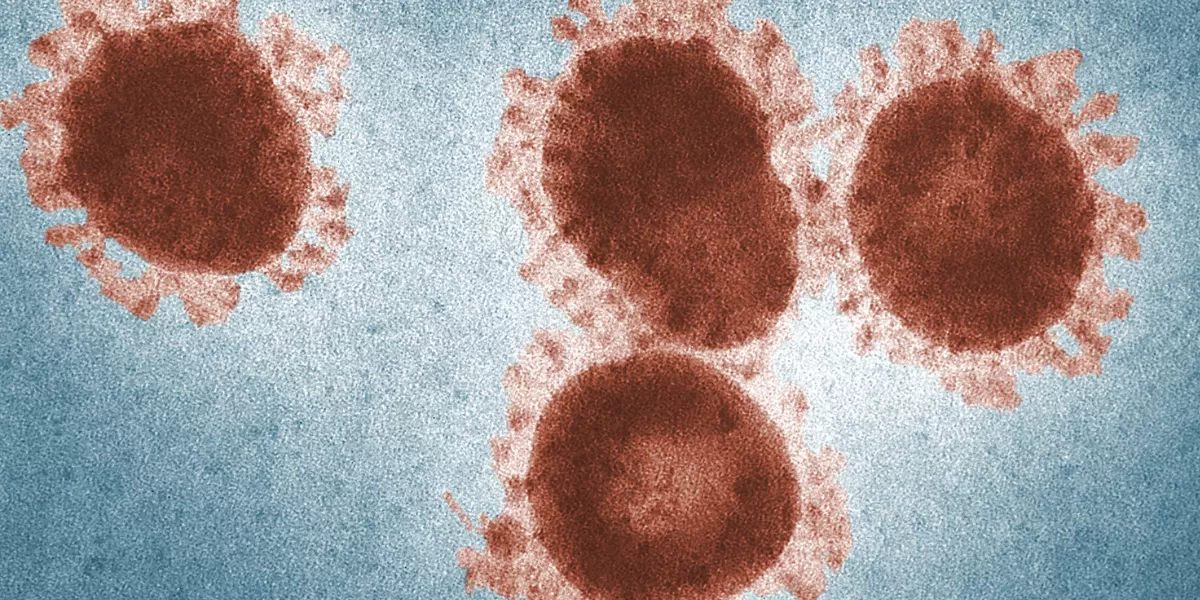
The Andes variant is the most dangerous type of hantavirus in the world. According to data from the Centers for Disease Control and Prevention (CDC) , the Andes variant indeed has the highest fatality rate among hantavirus strains. CDC – Hantavirus Andes variant fact sheet. Why is it dangerous?
First, its fatality rate is very high. Between 12% and 60% of patients can die. The rate depends on age and speed of treatment.
Second, the Andes variant can spread between humans. This is what sets it apart from other variants.
“Transmission occurs through direct contact, such as kissing, sexual contact, or from mother to child through breast milk,” explained epidemiologist Masdalina Pane.
The incubation period is also quite long. On average, 18 days to 3 weeks. But it can range from 9 to 40 days.
Can the Andes Variant Reach Indonesia?
This is an important question for Hantavirus Indonesia going forward. According to Masdalina Pane, the answer is: possible, but not easy.
Why Isn’t It Easy?
-
The virus does not spread through the air like COVID-19. It requires prolonged direct contact.
-
Rodents in Indonesia are different from those in South America. Each hantavirus variant typically only lives in specific rodent species.
But the Risk Still Exists
Because the Andes variant can spread from human to human, it doesn’t always need a rodent host.
If an infected person travels to Indonesia, the potential for transmission remains.
*“But transmission is not as easy as COVID-19,”* Masdalina emphasized.
Recommended for you: 3 Ways to Spot Fake Siomay Fish: Suckermouth Catfish Danger
How Dangerous Is Hantavirus in Indonesia?
The type of hantavirus found in Indonesia is different from the Andes variant. Indonesia has the HFRS type (Haemorrhagic Fever with Renal Syndrome). Usually the strain is Seoul Virus.
Symptoms of HFRS:
-
High fever
-
Body aches
-
Low blood pressure
-
Kidney problems (in severe cases)
-
Bleeding disorders
Fatality Rate
Out of 23 confirmed cases of Hantavirus Indonesia, 3 people died. This means the fatality rate is approximately 10% to 15%.
“The aggressive strains attack the heart, blood vessels, and lungs. The strains found in Asia and Europe, including Indonesia, generally cause hemorrhagic fever with kidney syndrome,” said Masdalina Pane.
The 10-15% rate is still serious. But it’s much lower than the Andes variant (12-60%).
Government Readiness: Rapid Tests & PCR

Health Minister Budi Gunadi Sadikin has moved quickly. He has already coordinated with WHO.
“We requested guidance on screening,” the Minister said on May 7, 2026.
What Has Been Prepared?
| Screening Tool | Status in Indonesia |
|---|---|
| Rapid test | Being prepared |
| PCR reagents | Widely available across regions |
| Whole Genome Sequencing | Available in reference labs |
The Minister is optimistic that Indonesia’s laboratory capacity is now much better. Especially after the COVID-19 pandemic, PCR infrastructure is now widespread.
“We already have many machines and reagents. Detecting this virus should be easier now,” he explained.
Prevention Steps for the Public
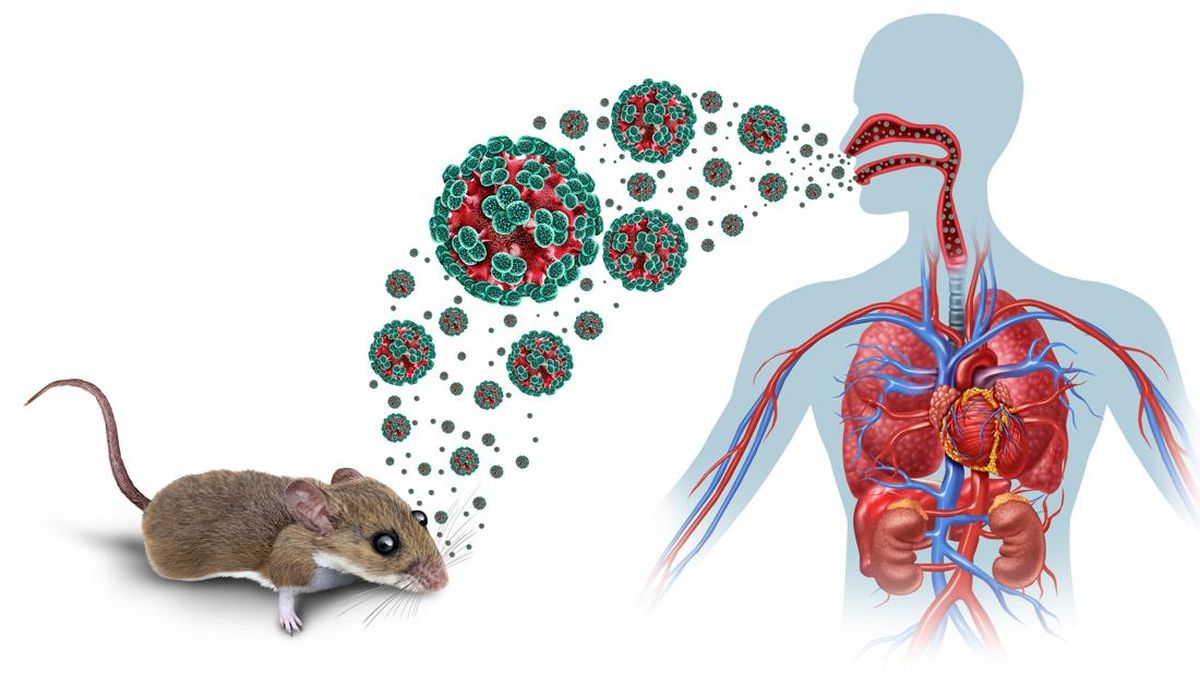
Because Hantavirus Indonesia is mostly transmitted from rodents (not human-to-human), prevention focuses on environmental hygiene.
What You Should Do:

1. Store food in sealed containers
Don’t let rats easily access your food.
2. Clean up food scraps immediately
Leftover food will attract rats.
3. Avoid direct contact with rats and their droppings
Rat urine, saliva, and feces can contain the virus.
4. Wear gloves and a mask when cleaning rodent-infested areas
This prevents you from inhaling virus-contaminated dust.
5. Wash hands with soap frequently
A simple but very effective step.
6. Keep pet rodents (like hamsters) healthy
Pets can also be a source of transmission if sick.
“Homes and the surrounding environment should be kept from becoming breeding grounds for rats,” Masdalina Pane advised.
When Should You See a Doctor?
Don’t delay going to a health facility if you experience the following symptoms:
-
Sudden fever
-
Severe body aches
-
Cough or shortness of breath
-
Decreased urine output (could be a sign of kidney failure)
Especially if you live in an area with a high rat population. Or if you’ve just cleaned a warehouse, a flood-affected area, or gone camping.
Hantavirus Indonesia is not new. Since 2024, there have been 23 confirmed cases and 3 deaths across nine provinces. The deadly Andes variant has not entered Indonesia. The local HFRS type cannot spread between humans and has a 10–15% fatality rate. The government has PCR and rapid tests ready. The public should avoid rats, keep their environment clean, and see a doctor if fever or breathing problems occur.