
The Nadiem scandal has shattered Indonesia. A man once celebrated as a national hero is now fighting to stay out of prison.
How did this happen? Nadiem Makarim, the founder of Gojek and former Minister of Education, is now at the center of the country’s biggest corruption case in years.
This article explains the Nadiem scandal simply. You will learn who Nadiem is, what he allegedly did wrong, and why prosecutors want him in jail for 18 years.
Key Point: The Nadiem scandal involves a Rp 2.1 trillion Chromebook procurement project that prosecutors say was rigged during the COVID-19 pandemic.
Who is Nadiem Makarim?
To understand the Nadiem scandal, you must first know the man behind it.

Nadiem Anwar Makarim was born in 1984. He studied at Brown University and later earned an MBA from Harvard Business School. He is smart, ambitious, and wealthy.
In 2010, he founded Gojek. The app started as a way to call motorcycle taxis. Within a decade, it became a decacorn worth over $10 billion. Nadiem became the face of Indonesia’s digital revolution.
In 2019, President Joko Widodo appointed him as Minister of Education. It was a bold move. Many hoped a tech entrepreneur could fix the broken education system.
The Rise of a Tech Hero
As Minister, Nadiem moved fast. He introduced “Merdeka Belajar” (Freedom to Learn). He simplified the curriculum. He empowered teachers.
Young people loved him. He was different from old politicians. He used Instagram. He spoke English. He acted like a CEO, not a bureaucrat.
But his style created enemies. He fired senior officials. He ignored traditional processes. He pushed for rapid digitalization. Critics said he was arrogant.
This tension is important. Without it, the Nadiem scandal might never have happened.
The Nadiem Scandal Begins

The Nadiem scandal broke in early 2025. Indonesia’s Corruption Eradication Commission (KPK) started investigating a massive Chromebook purchase.
During COVID-19, schools were closed. Nadiem approved the purchase of Google Chromebooks for millions of students. The goal was noble: help poor children learn from home.
But prosecutors saw something different. They saw a rigged tender. They saw a conflict of interest. They saw state money being wasted.
By late 2025, Nadiem was named a suspect. The Nadiem scandal was no longer a rumor. It was a real criminal case.
The Rp 2.1 Trillion Chromebook Case
So what exactly did Nadiem do wrong? According to prosecutors, three things:
1. Conflict of Interest
Google had invested heavily in Gojek. Nadiem was still close to his former company. Prosecutors say he chose Chromebooks specifically to benefit Google. This gave Google a monopoly over Indonesia’s education technology.
2. Wrong Specifications
A 2018 ministry study had clearly stated that Chromebooks were not suitable for rural areas with bad internet. Yet Nadiem ignored this. The tender was written specifically for Chrome OS, excluding cheaper and better options.
3. Massive State Losses
The total state loss is estimated at Rp 2.1 trillion (approximately $125 million USD). The Chromebooks were overpriced. Many licenses were never used. Millions of dollars simply disappeared.
“This is not just corruption. This is stealing from children’s education,” said a prosecutor during the trial.
You might also liked:
Indonesia Law and the Use of Illicit Money in Daily Life: What the Rules Actually Say
Why 18 Years in Prison?
On May 13, 2026, prosecutors read their demands. The courtroom was silent.
They demanded 18 years in prison for Nadiem Makarim.
Additionally, they demanded a fine of Rp 1 billion and restitution of Rp 5.6 trillion (approximately $380 million USD).
Why so harsh? Prosecutors cited “aggravating factors”:
-
The massive scale of state losses
-
The crime happened during a national emergency (COVID-19)
-
Nadiem allegedly gave “evasive testimony” during the trial
For a man who once had everything, this was a devastating moment. The Nadiem scandal had reached its peak.
His Defense and Public Reaction

Nadiem has denied everything. He called the demands “crazy” in a recent interview.
His lawyers argue there is zero evidence that Nadiem received any personal money. They say this is “criminalizing policy,” not punishing corruption.
External source: Senior lawyer Todung Mulya Lubis told Reuters that the demands “lack solid legal footing.” Other human rights groups worry this case could set a dangerous precedent where ministers are jailed for making unpopular decisions.
However, public opinion is divided. Some still see Nadiem as a hero. Others believe the Nadiem scandal proves that even “good” leaders can become corrupt when given too much power.
What Happens Next?
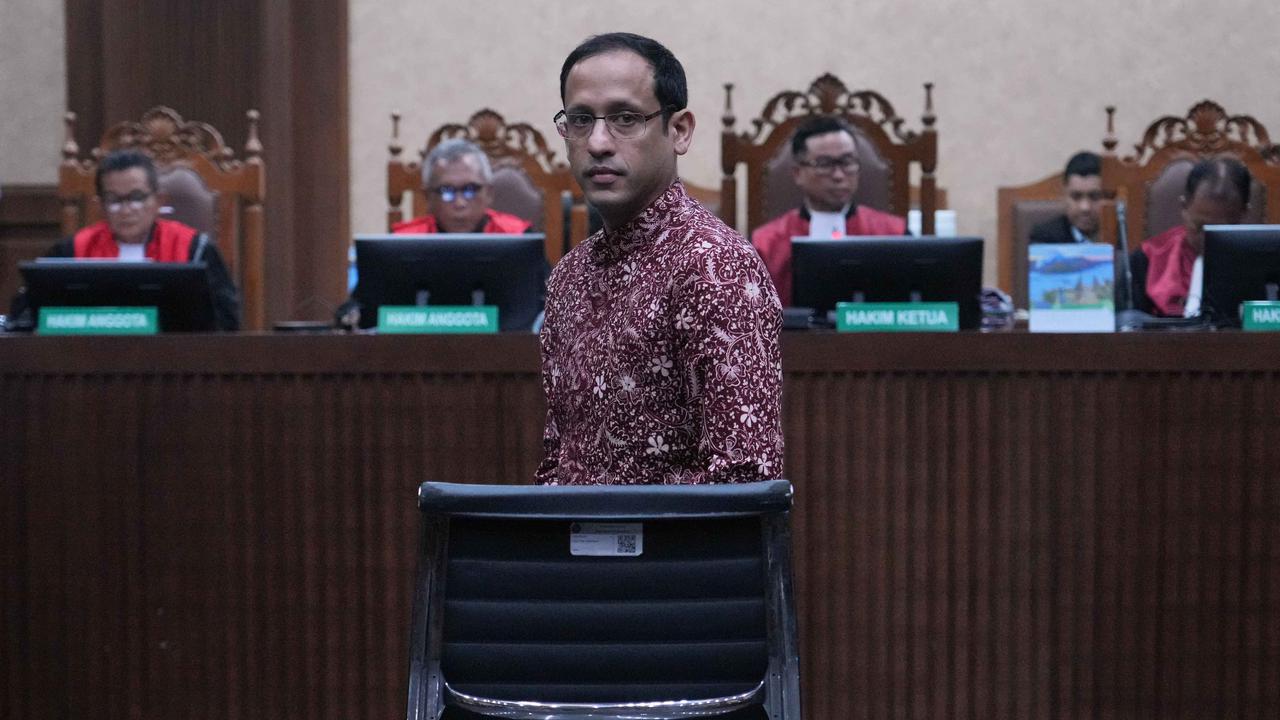
The trial continues. A verdict is expected within three months.
If convicted, Nadiem faces 18 years in prison. His political career would be over. His legacy would be destroyed.
But if acquitted, the Nadiem scandal will become a symbol of Indonesia’s fragile democracy. It will raise hard questions: Did the government target a disruptor? Or did a hero simply fall from grace?
Either way, the Nadiem scandal has already changed Indonesia forever.