
What is the “Ghost Thief” Phenomenon?
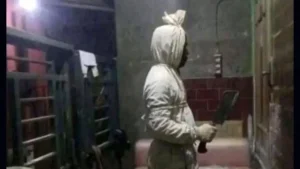
Indonesia has recently been gripped by a wave of panic over the so-called Ghost Thief phenomenon, locally known as begal pocong or pocong abal-abal. This viral sensation, which spread rapidly across social media platforms, involves rumors and videos of individuals dressed as pocong—a traditional ghost bound in white burial shrouds—allegedly using the costume to facilitate robbery, burglary, and assault.
The Ghost Thief narrative was simple but terrifying: criminals disguised as ghosts would knock on doors at night, lie in the middle of roads, or wander through dark alleys to startle victims. Once the victim was paralyzed by fear, accomplices would strike, committing theft or even violent attacks. This fearmongering led to widespread anxiety and heightened vigilance across many Indonesian communities.
However, as official sources would later confirm, there was a stark contrast between the viral stories and ground reality.
The Origins: How the Ghost Thief Panic Spread Across Indonesia
The Ghost Thief panic first appeared as screenshots of WhatsApp conversations and short videos that were shared thousands of times. According to a compilation by Tribunnews.com, at least seven regions were affected by the initial wave of rumors, including Bekasi, Depok, Jakarta, Kendal, Lamongan, Tangerang, and Situbondo within just a few weeks.
In Tangerang, a video went viral showing a person dressed as a pocong being detained by residents. Police later identified the suspect as a street performer in cosplay, not a criminal.
In Lamongan, East Java, residents in the Tumenggungan neighborhood were disturbed by a video of a ghostly figure standing in a dimly lit alley. Police determined the video was a prank orchestrated by two teenagers identified only as MA (17) and AB (17) who wanted to create scary content for social media.
In Jember, East Java, another wave of panic was traced back to a video manipulated using artificial intelligence. Three young men—RA (21), MA (19), and FR (19)—were detained for creating and sharing the altered footage. They originally intended to produce a scary visual for their private WhatsApp story, but the content quickly spread beyond their control.
The Ghost Thief rumor even reached Kendal, Central Java, where a digital poster warning residents about a pocong knocking on doors began circulating on WhatsApp. Police were quick to issue a denial, confirming there were no verified incidents.
In Bali, the Ghost Thief phenomenon was equally declared a hoax. The Kapolres of Jembrana, AKBP Kadek Citra Dewi Suparwati, firmly stated that the information about a disguised ghost being used as a robbery tactic was completely false and urged citizens to report any suspicious activity directly to the emergency number 110.
Entertain by this article? You might also be interested in:
7 Shocking Truths About the Harajuku Food Truck That Beat a TikTok Storm
Palembang Shooting Incident 2026: Full Story of the TNI Cafe Tragedy
Police Confirmation: Why the Ghost Thief is a Hoax
In response to the nationwide panic, law enforcement agencies across Indonesia acted quickly to investigate the claims and issue official statements. Indonesian police confirmed that there were no official reports or factual evidence supporting the existence of a Ghost Thief in several impacted regions.
-
Polresta Malang Kota: Kasi Humas Ipda Lukman Sobhikin stated: “Perlu kami tegaskan, di wilayah hukum Polresta Malang Kota tidak ada kejadian pocong begal. Sampai saat ini juga tidak ada laporan resmi dari masyarakat terkait hal tersebut” (It is necessary for us to emphasize that there is no incident of a Ghost Thief in the jurisdiction of the Malang City Police. To this date, there are also no official reports from the community regarding this matter). The police also verified that security conditions remained normal.
-
Polres Malang: AKP Bambang Subinajar urged the public not to be easily provoked by unverified information, saying: “Kami mengimbau masyarakat untuk tidak mudah terpancing informasi yang belum jelas sumber dan kebenarannya. Sampai saat ini belum ada laporan resmi terkait kejadian sebagaimana yang beredar di media sosial” (We urge the public not to be easily provoked by information whose source and truth are unclear. To this date, there have been no official reports regarding the incident as circulating on social media).
-
Polres Jembrana (Bali): AKBP Kadek Citra Dewi Suparwati dismissed the rumors of a Ghost Thief as psychological terror. She clarified that the viral videos and photos associated with the incident were actually from other regions and were being repurposed to spread fear.
The consistent message from authorities across the archipelago was clear: the Ghost Thief was a fabrication. The Indonesian National Police (Polri) urged the public to exercise wisdom on social media, not to share unverified content, and to always double-check information from official sources.
Two Realities Uncovered: Pranksters and AI Manipulation Behind the Ghost Thief
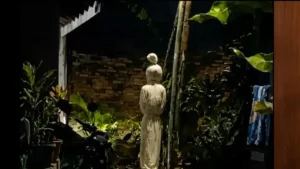
Following a thorough investigation, it became evident that the Ghost Thief panic was largely fueled by two primary sources: human pranksters seeking social media fame and AI-manipulated content created as a joke that spiraled out of control.
Pranksters Seeking Follower Engagement
In most cases, law enforcement found that the viral content was generated by pranksters aiming to increase their engagement on platforms like TikTok and Instagram.
-
In Lamongan, two teenagers pranked a friend on their way home from a futsal game around 2:30 AM. They admitted their goal was simply to joke around. AB, the one who recorded the video, issued a public apology, acknowledging the distress his prank had caused.
-
The Jember case showed that fear of being left out of a trend (FOMO) can drive irresponsible actions. Police investigations revealed the three young men responsible for the AI-manipulated video were motivated purely by mischief and a desire to increase their social media engagement.
Cosplay and Playful Mischief
Not all incidents were malicious. For example, the individual caught in Tangerang Selatan turned out to be a street musician in cosplay, not a criminal. Similarly, in Depok, two boys were caught by local residents who forced them to sleep in a cemetery as punishment for attempting to prank their neighbors. These cases show that while some actions were unwise, they were not part of a coordinated criminal network.
The Dark Side of Viral Hoaxes: Motives and Modus Operandi
Even though the Ghost Thief is confirmed as a hoax, the reaction it generated exposed vulnerabilities in how digital hoaxes can amplify social anxiety. In some instances, individuals tried to exploit the fear created by the Ghost Thief narrative for real-world crimes.
Police investigations in several regions revealed that there were individuals who, while not part of an organized “ghost thief” network, attempted to take advantage of the panic. The modus operandi included using a pocong costume to frighten potential victims, making it easier to approach homes or vehicles. The goal was to paralyze people with fear, and during that moment of vulnerability, the perpetrators would carry out theft or robbery.
-
In Tangerang, a suspect was apprehended after residents grew suspicious of an individual in a suspicious costume. Police statements indicated the suspect was using the costume with the alleged intention of facilitating a robbery.
Thankfully, such cases appear to be isolated. Most of the Ghost Thief panic stemmed from viral video trends rather than actual criminal activity. Nonetheless, the potential for the “ghost” disguise to be used as a criminal tool remained a concern, reinforcing the need for vigilance.
Lessons in Digital Literacy: How to Combat the Ghost Thief Myth

The Ghost Thief hoax serves as a powerful reminder of the importance of digital literacy and media verification in the 21st century. To prevent similar hoaxes in the future, citizens and authorities must work together.
Police Preventive Measures
Law enforcement agencies proactively increased patrols in residential areas and organized meetings with local security units (poskamling) to address public concerns and prevent vigilantism. Police officers also directly engaged with the public to provide real-time fact-checking and encourage reporting through official channels, such as the emergency hotline 110 and local complaint services.
What You Can Do as a Netizen
-
Verify before sharing: Do not forward suspicious news or unverified screenshots.
-
Check official sources: Before panicking, check news articles from reputable outlets or official statements from the police.
-
Report, don’t repost: If you encounter content that might be a hoax, report it to the platform or the authorities. Avoid sharing it, even with a note saying it might be fake.
By fostering good digital habits, we can prevent unnecessary panic, avoid the spread of misinformation, and focus on maintaining genuine community safety.
The Ghost Thief phenomenon that swept across Indonesia in May 2026 was largely a product of social media amplification, pranks, and AI-manipulated content. While isolated attempts to use the costume for actual crime existed, the mass panic was primarily driven by a viral hoax.
The key takeaway is the critical need for digital wisdom. By verifying information through authoritative sources and encouraging critical thinking, we can all prevent a fictional Ghost Thief from causing real-world chaos. Stay calm, stay informed, and be responsible with the content you share.