
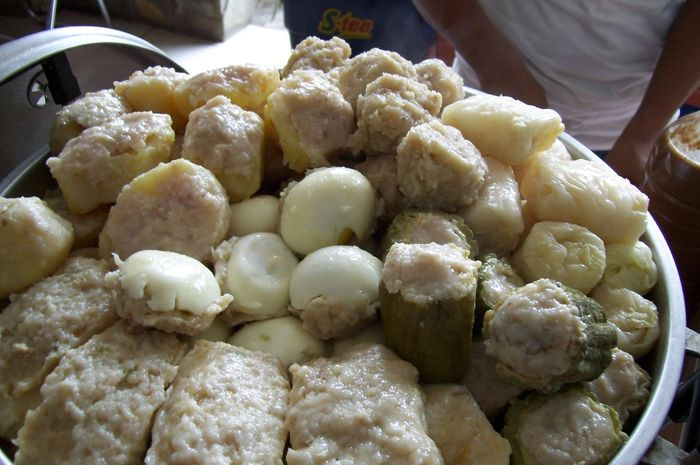
Siomay Fish has long been one of Indonesia’s most beloved street snacks. However, a troubling trend has emerged recently, forcing consumers to be more careful than ever before choosing where to buy.
The issue revolves around the growing practice of substituting high-quality Spanish Mackerel with Suckermouth Catfish, a type of fish often associated with polluted rivers. For those who love Siomay Fish, understanding how to distinguish the real product from the fake is no longer just about taste, it is about health and safety.
How to Spot Fake Siomay Fish (3 Key Indicators)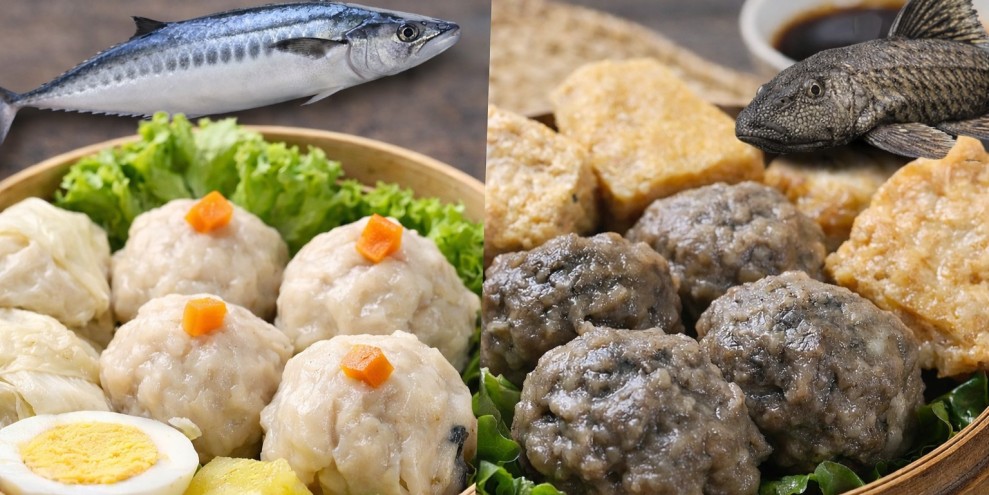
The difference between authentic Siomay Fish and the counterfeit version becomes obvious once you know what to look for.
1. Color
Angga, a 31-year-old Siomay Fish vendor operating in Kemanggisan, West Jakarta, explains that the visual appearance alone is often enough to raise suspicion. According to him, Siomay Fish made purely from Spanish Mackerel or a mixture of other quality fish like tuna usually displays a bright, almost whitish color.
In contrast, Siomay Fish that relies on Suckermouth Catfish tends to look significantly darker and duller. Angga proudly points to his own product, which combines tenggiri and tuna, emphasizing that the bright color and soft texture guarantee its quality.
2. Texture
Beyond the visual difference, the texture of Siomay Fish reveals even more. Angga notes that fake Siomay Fish, the one made from Suckermouth Catfish, feels noticeably tougher and chewier when bitten into.
Another experienced vendor, Wandi, who has been selling Siomay Fish for 25 years in Cengkareng, West Jakarta, adds another layer of insight. He explains that texture is the most reliable indicator for him. When he holds or bites into real Siomay Fish, it feels firm yet pleasant, never sticky. However, Siomay Fish made from Suckermouth Catfish tends to have a sticky, pasty consistency that clings to the teeth or palate.
3. Aroma
Fake Siomay Fish also carries a much stronger fishy odor, one that cannot be easily masked by peanut sauce or seasonings. A clean, savory aroma suggests good ingredients, while a sharp, muddy, or overly fishy smell is a warning sign.
Why Suckermouth Catfish Is Dangerous
The price difference is staggering and explains why this practice continues despite the obvious drop in quality. Wandi reveals that Suckermouth Catfish can be purchased for as little as IDR 25,000 to IDR 35,000 per kilogram. Meanwhile, genuine Spanish Mackerel can cost nearly IDR 100,000 per kilogram.
That gap creates a powerful incentive for unscrupulous vendors to take the cheaper route. But the health risks are serious. Environmental and health experts have long warned that bottom-dwelling fish from urban rivers often accumulate dangerous levels of toxic substances.
A study published in the Journal of Environmental Health noted that fish like the Suckermouth Catfish are particularly vulnerable to heavy metal contamination because they feed on sediment and organic waste at the bottom of polluted waterways. Cooking may kill some bacteria, but it does not eliminate heavy metals. Therefore, eating such fish regularly can pose long-term health risks, especially for children and the elderly.
Don’t forget to check Hantavirus Indonesia 2026: 23 Cases, 3 Deaths & Andes Variant
Honest Vendors Find Safe Alternatives

Fortunately, not all vendors who face rising fish prices turn to dangerous shortcuts. Some, like Angga, choose to mix Spanish Mackerel with other safe and delicious alternatives such as tuna or chicken. This allows them to keep their prices reasonable without sacrificing the integrity of their Siomay Fish.
According to Angga, adding tuna does not alter the taste at all. He confidently states that Siomay Fish made with a blend of tenggiri and tuna remains just as delicious as the expensive, premium versions.
Wandi follows a similar philosophy. Although he admits that he no longer uses one hundred percent Spanish Mackerel due to rising costs, he has never once used Suckermouth Catfish. Instead, he mixes the fish with flour or, on some occasions, minced chicken. This approach keeps his customers happy and his conscience clear.
A Final Reminder for Consumers

For consumers who want to protect themselves, the solution is not to stop eating Siomay Fish altogether, but to become more observant.
Before buying, take a moment to look at the color. If the Siomay Fish looks unusually dark or grayish, it is worth questioning. If possible, smell it gently. If you have already taken a bite, pay attention to the texture. Authentic Siomay Fish should feel soft, bouncy, and pleasant to chew. If it feels tough, rubbery, or sticky, you may have just eaten something you would rather avoid.
Ultimately, the responsibility lies with both vendors and consumers. Honest vendors like Angga and Wandi prove that it is possible to run a profitable Siomay Fish business without resorting to hazardous ingredients. By staying informed and paying attention to simple visual and textural cues, anyone can continue to enjoy this beloved snack without worry.