
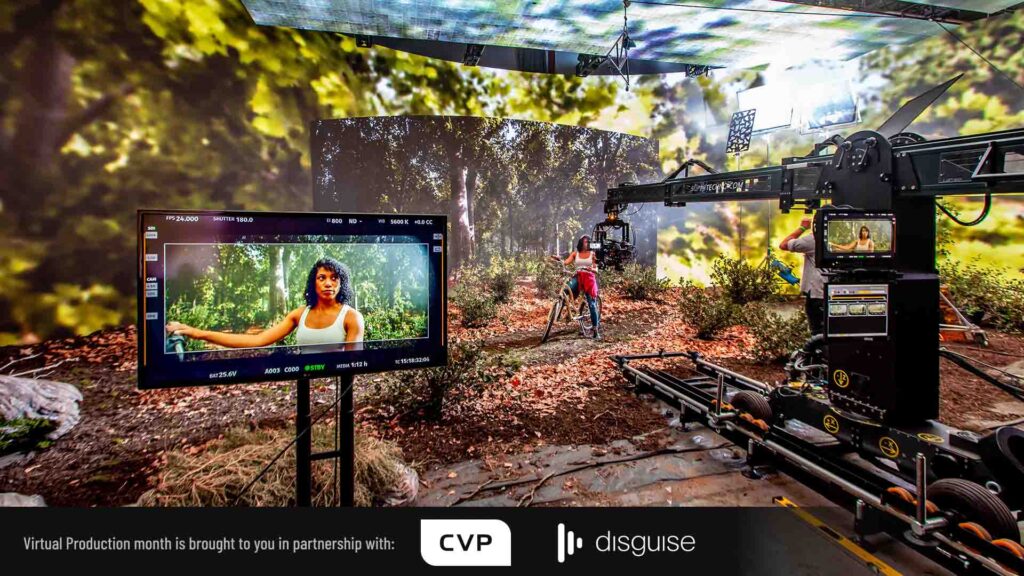
The first commercial motion picture, created by the Lumière brothers in 1895, ran for less than a minute and showed workers leaving a factory. Fast forward to today, and filmmakers can shoot actors inside massive LED volumes that simulate entire cities in real-time, with AI tools generating photorealistic environments at the click of a button. The transformation of film technology over the past century represents one of the most dramatic evolutions in any creative industry.
From hand-cranked cameras to artificial intelligence, the tools available to filmmakers have expanded beyond what early pioneers could have ever imagined. This article explores seven revolutionary ways film technology has advanced—and just how far we’ve come from the analog era to today’s digital frontier.
The Camera Revolution: From Heavy Reels to Digital Sensors
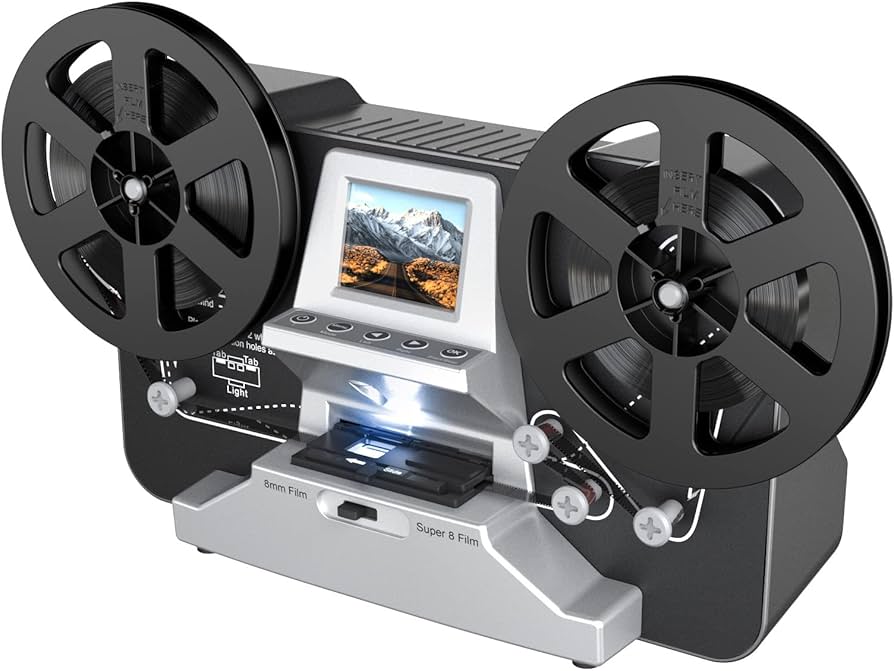
In cinema’s early days, cameras were massive, hand-cranked machines that required immense physical effort to operate. Filmmakers hauled heavy film reels, and each take consumed expensive celluloid stock. A single mistake meant wasted footage and wasted money.
The shift from analog to digital cameras fundamentally changed everything. Digital cameras offered lower costs, more flexibility, and faster workflows. For independent filmmakers especially, digital was a dream come true. Today’s digital cinema cameras capture images in resolutions that surpass traditional film, with sensors that perform exceptionally well in low light and dynamic range that rivals the human eye.
But perhaps the most significant advancement is accessibility. Where once only major studios could afford professional-grade equipment, today’s filmmakers can shoot theatrical-quality footage with cameras that fit in their pockets. This democratization of film technology has unleashed a wave of creativity that simply wasn’t possible in the celluloid era.
Visual Effects: From Practical Tricks to Photorealistic CGI
Georges Méliès, the magician-turned-filmmaker, pioneered visual effects in the 1890s using editing tricks, elaborate puppets, and creative camera work. For decades, visual effects meant practical techniques—miniature models, matte paintings, and in-camera illusions.
The 1980s marked a turning point when computer-generated imagery (CGI) began to take over visual effects work. Early CGI was primitive by today’s standards, but it opened doors to previously impossible imagery. In 1995, Pixar released Toy Story, the first completely CGI-animated feature film, ushering in a new era.
Today’s CGI is virtually indistinguishable from reality. Digital Domain’s DDAI infrastructure now combines traditional CGI pipelines with generative AI, creating a hybrid production model that pushes creative boundaries further than ever before. AI concept artists now work at every stage of production, enabling faster alignment on visuals and reducing last-minute revisions.
The gap between what can be shot with a camera and what can be generated with computers has narrowed considerably. Modern VFX allows filmmakers to create entire worlds, populate them with digital characters, and craft action sequences that would be impossible—or lethally dangerous—to film practically.
Virtual Production: The End of Green Screens as We Know Them
Perhaps no single advancement in film technology has been as transformative as virtual production. Traditional green screens required actors to perform against blank backgrounds, with environments added later in post-production. The results often felt disconnected, with lighting mismatches and that unmistakable “green screen” look.
LED volumes have changed everything. These massive curved LED screens display photorealistic virtual backgrounds in real-time, powered by game engines like Unreal Engine. The backgrounds physically illuminate actors and props, eliminating traditional green-screen chroma keying and its associated post-production costs.
The adoption of virtual production has surged from 15 percent in 2023 to nearly 45 percent in 2025. Directors can now see the final look of a scene during principal photography. Cinematographers sculpt the mood in real-time, and actors engage with environments that feel tangible rather than imagined.
Virtual production also offers significant environmental and cost benefits. A shoot that once required flights, trucks, and days of set building can now be captured in a single volume with fewer people and resources. Production time can be cut by about a third, giving directors a highly flexible environment to create.
Artificial Intelligence: The New Creative Partner
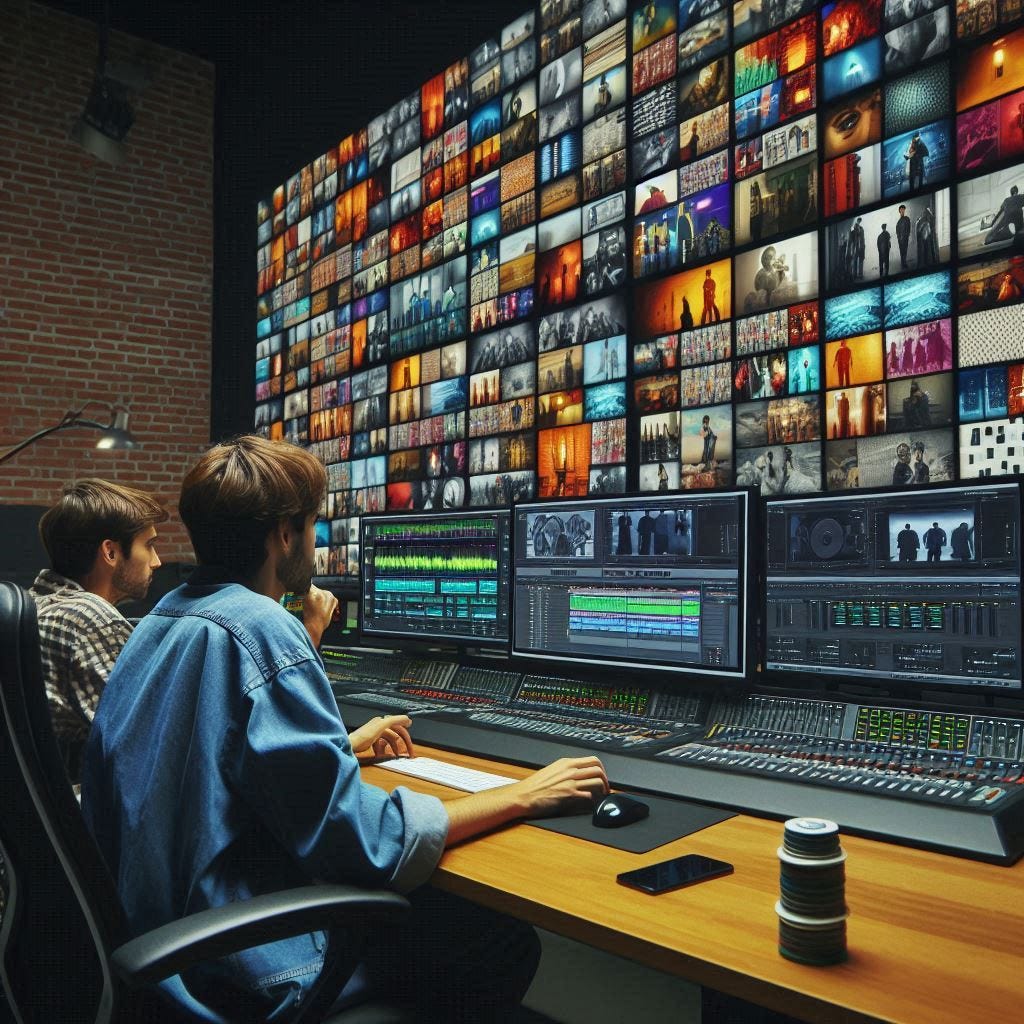
Artificial intelligence represents the most recent—and perhaps most controversial—advancement in film technology. AI tools are now taking on tasks that once required entire departments, from scripting to sound design.
In 2026, the global AI video generation market reached $946 million, growing at a compound annual rate of 20.3 percent. Monthly active users across AI video platforms surpassed 124 million in January 2026. These numbers describe a structural change in who can make films and what it costs to do so.
AI is being integrated across the entire production pipeline. Netflix has released AI editing tools that can remove objects from footage while preserving real-world motion. Digital Domain’s DDAI infrastructure enables AI-assisted workflows that integrate generative tools with traditional CGI. Goldman Sachs estimates that AI tools could reduce the average cost of independent film production by 30 to 50 percent within five years.
Directors are also beginning to use AI for pre-visualization and storyboarding. Filmmakers can now preview scenes in virtual spaces and adjust scripts, camera movements, and performances instantly. AI-assisted works accounted for about 6 percent of submitted films in 2025, up from 2 percent the previous year.
Sound Technology: From Silence to Immersive Audio
The transition from silent films to “talkies” was one of cinema’s first technological revolutions. Early sound-on-film technology stabilized by 1932, and synchronized sound quickly swept the globe. But sound technology wouldn’t advance significantly again until the 1950s with the advent of magnetic tape and stereophonic sound.
Today’s sound technology is light-years ahead. Dolby Atmos and other immersive audio formats place sounds in three-dimensional space, creating experiences that surround the audience from all directions. Modern sound design uses AI-powered tools for noise reduction, dialogue enhancement, and automated mixing.
The gap between the primitive sound of early talkies and today’s crystal-clear, immersive audio is staggering. Where early filmmakers struggled to capture clean dialogue without camera noise, modern productions use directional microphones, advanced noise reduction, and post-production tools that can isolate and enhance individual audio elements with surgical precision.
Enjoy this article so far? More Article That You Should Read:
The Future of Camera Sensor Technology: 7 Breakthroughs Changing Photography in 2026
Distribution: From Film Reels to Digital Streaming
In the analog era, distributing a film meant physically shipping heavy reels of celluloid to theaters around the world. Prints could be damaged, lost, or degraded over time. The logistics were enormous, and independent filmmakers faced nearly insurmountable barriers to reaching audiences.
Digital distribution eliminated these barriers. Today, films are distributed as digital files—often through satellite, hard drives, or direct internet streaming. A movie can be released simultaneously in thousands of theaters worldwide and on streaming platforms the same day.
The DCP (Digital Cinema Package) format became the standard for theatrical distribution because it reduced the risks of film damage and significantly cut printing and transportation costs. Even independent films can now secure wide, simultaneous releases. Streaming platforms like Netflix, Disney+, and Amazon Prime have further revolutionized distribution, allowing filmmakers to reach global audiences without traditional theatrical releases.
Accessibility: The Democratization of Filmmaking
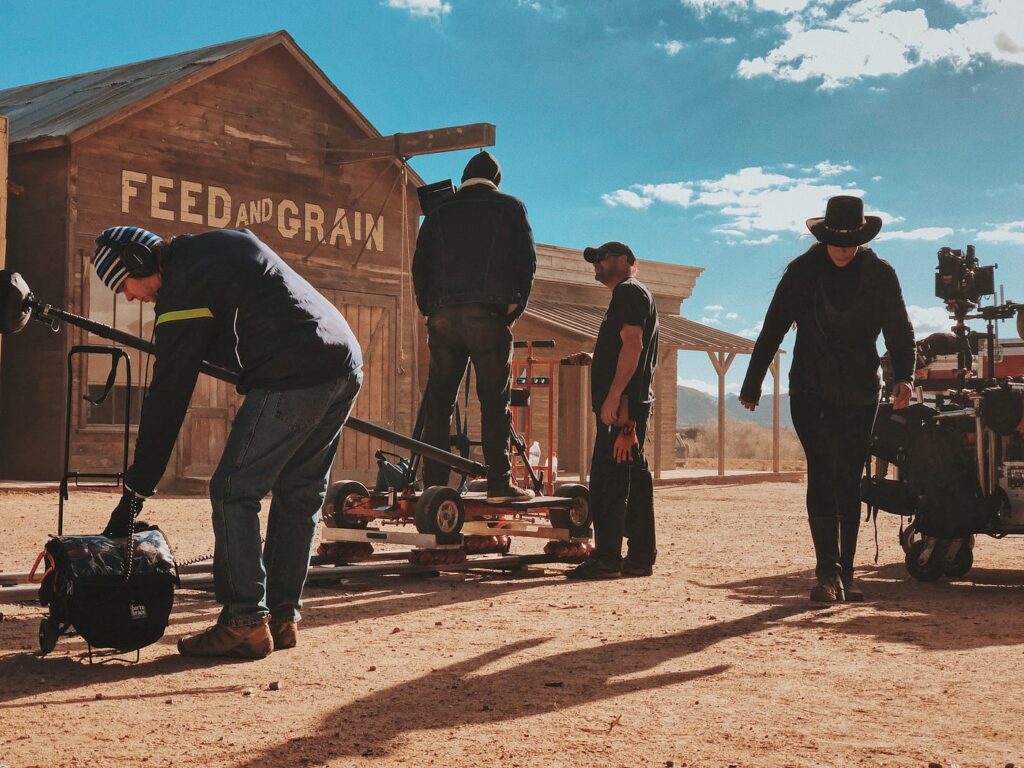
Perhaps the most profound change in film technology is who can make movies. For most of cinema’s history, the difference between an idea and a finished film was measured in dollars—lots of them. A standard independent film could run anywhere from $250,000 to $2 million. For most people with a story worth telling, those numbers ended the conversation before it started.
Today, that calculation is shifting. AI tools are enabling filmmakers to create complex sequences that would have been prohibitively expensive under any traditional production model. Virtual production reduces the need for physical sets and location shoots. Digital cameras and editing software are more affordable than ever.
As one industry observer put it, “99% of people couldn’t participate in cinema because it required money. The right for everyone to participate in this art was stripped away. This is why so many young people love AI now. It is an equalizer”. Film technology has become more inclusive than ever before.
The Bottom Line: How Far We’ve Come
Comparing film technology from the celluloid era to today reveals a transformation that is nothing short of revolutionary. What once required massive budgets, extensive crews, and months of post-production can now be accomplished with digital tools, virtual sets, and AI-powered workflows.
The analog era gave us timeless classics, but it also created barriers that kept many voices from being heard. Today’s film technology breaks down those barriers. Virtual production allows directors to see their vision in real-time. AI tools accelerate workflows and reduce costs. Digital distribution brings films to global audiences instantly.
Of course, technology alone doesn’t make a great film. As one industry expert noted, “movies are about the stories and the creativity involved and not about the graphics or the visual effects”. Good visuals enhance impact, but bad visuals can detract from it. The fundamental truth remains: storytelling is at the heart of cinema.
What technology does provide is freedom—freedom to experiment, to iterate, and to bring visions to life that were once impossible. From hand-cranked cameras to AI-powered production pipelines, film technology has consistently expanded what storytellers can achieve. And if the current pace of innovation continues, the future of cinema will be even more extraordinary than we can imagine.